CloudTalk alternative

A CloudTalk alternative with the CRM built in.

CloudTalk is call center software that connects to the CRM and helpdesk you already use. It handles inbound routing, IVR and queues, and sells its power and parallel dialers as add-ons on most plans. TopReach is a CRM with a power dialer, parallel dialer and two-way texting built in, for teams whose phone work is outbound. If you need a call center with inbound routing, or numbers in many countries, CloudTalk is likely the better fit, and this page explains why.
  • ✓The CRM, the dialer and texting in one workspace, with no integration to keep in sync
  • ✓Power and parallel dialing on every $99 phone license, with no dialer add-ons
  • ✓Dialing sessions in the iPhone and Android apps; CloudTalk says its dialers are desktop only
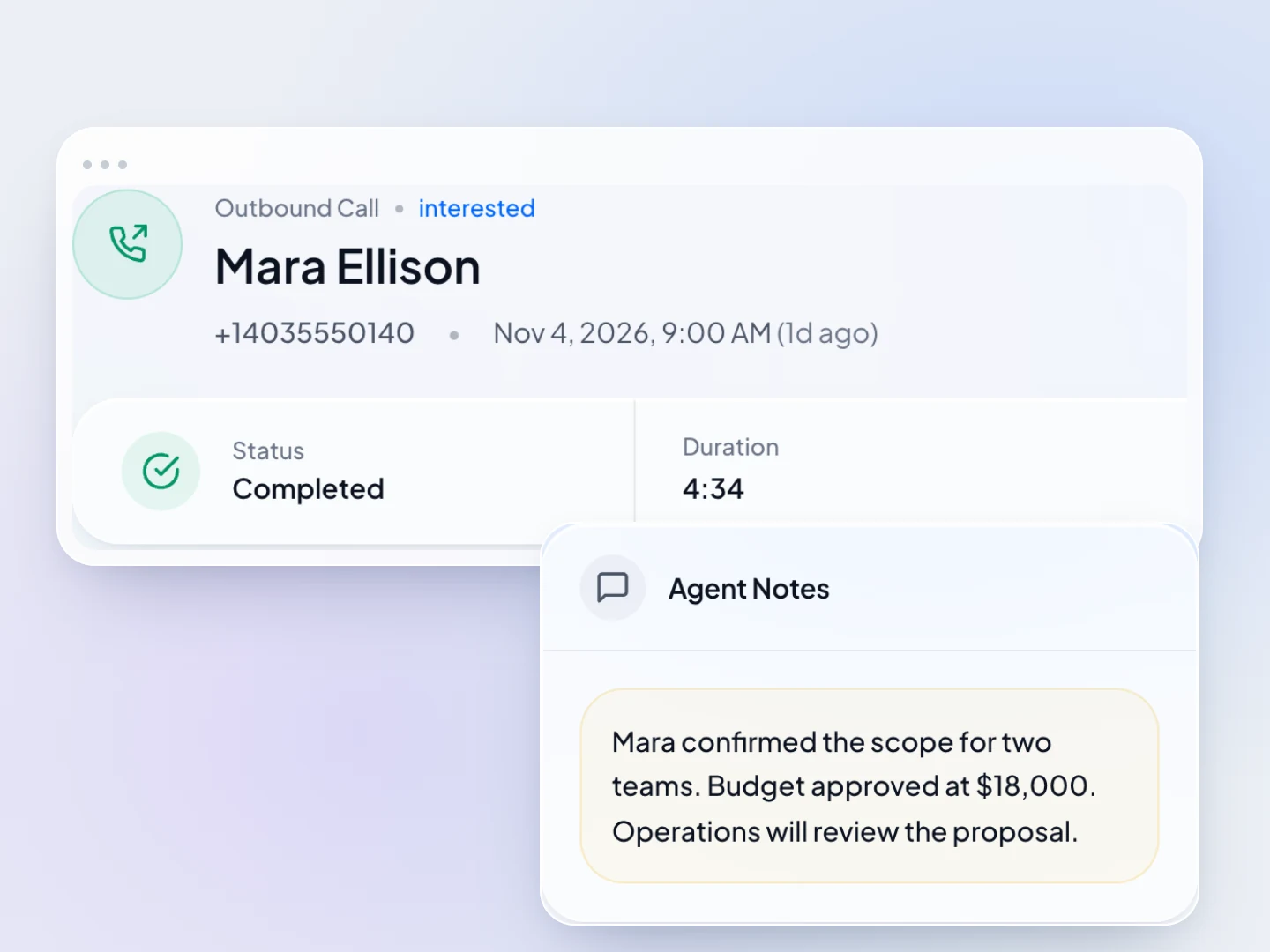
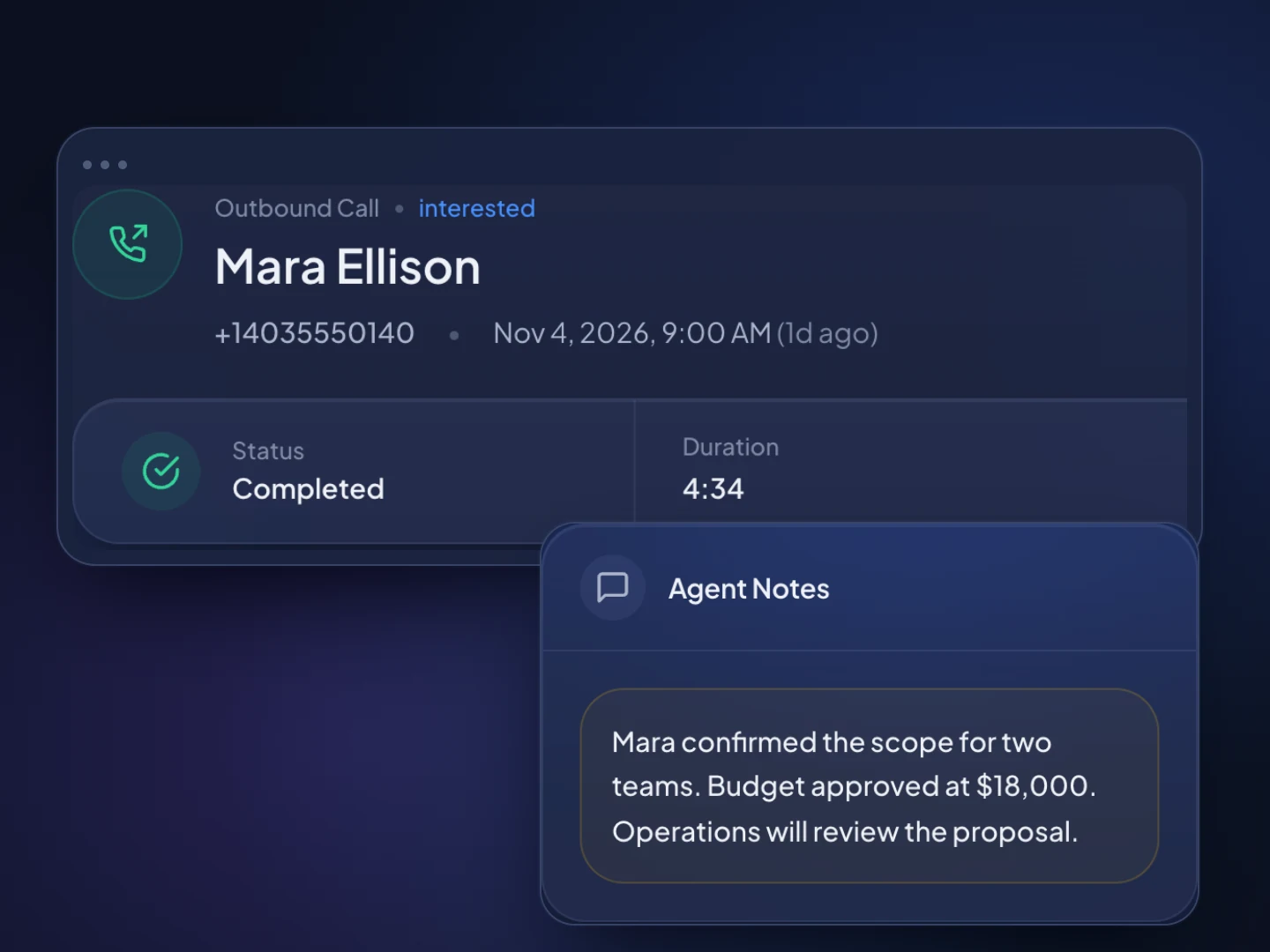
A completed TopReach call with its outcome, duration and saved rep note. Fictional sample data.A completed TopReach call with its outcome, duration and saved rep note. Fictional sample data.
Phone license per caller / mo, 3,000 minutes
$99
Per seat / mo, or $49 billed yearly
$55
Dialer modes on every license: power and parallel
2

Why outbound teams look at TopReach

What changes when the dialer lives inside the CRM

The CRM is included

CloudTalk connects to your CRM and helpdesk. TopReach is the CRM: contacts, companies, a deals pipeline with value by stage, custom fields, tags, tasks and a timeline of every call, text, email and note.

Dialers included, not added on

CloudTalk's power dialer is a $15 add-on below Expert, and its Parallel Dialer is a $39 add-on on every plan, per user a month billed annually. TopReach includes both modes in the phone license.

Dial from your phone

CloudTalk's help center says its Power Dialer and Smart Dialer are only available on desktop. TopReach's iPhone and Android apps run power and parallel sessions with the call script on screen.

Follow-up when nobody answers

When a call isn't answered, TopReach can drop a voicemail, then send a text or an email on the days you choose. It tracks every touch, so nobody gets the same message twice.

Texts on the same record as calls

Two-way SMS and MMS with replies in a shared inbox. Every text lands on the contact's timeline next to calls, emails and notes.

AI summaries included

TopReach transcribes dialer calls live and writes a summary after each one: intent, objections, action items and the next step. It's part of the phone license; CloudTalk sells conversation intelligence as an add-on.

At a glance

What TopReach is
TopReach is a CRM with a built-in power dialer, parallel dialer and two-way texting for teams that sell and raise money by phone. Calls, texts, emails, follow-ups and the pipeline live in one workspace, on the web and in iPhone and Android apps.
What CloudTalk is
CloudTalk is call center software 'connected to your favorite business tools, including CRM and helpdesk solutions', with ring groups, queues, IVR, skill-based routing and outbound dialers.
The main difference
CloudTalk is a call center that connects to a separate CRM, with its dialers as add-ons on most plans and on desktop only. TopReach is the CRM, with both dialer modes on every phone license, and it has no IVR or queues.
CloudTalk's dialers
Preview and power dialer: included on Expert, or a $15 add-on. Parallel Dialer: a $39 add-on on every plan, up to 10 numbers at once. Both per user a month, billed annually, and desktop only. Checked November 7, 2026.
TopReach pricing
$55 a seat a month, or $49 billed yearly. Each person who calls needs a $99-a-month phone license, which covers every dialer mode and includes 3,000 calling minutes. Phone numbers are $10 a month each, and there is a 14-day free trial.
CloudTalk pricing
Starter $25, Essential $29 and Expert $49 (3-license minimum) a user a month billed annually with a 12-month commitment, or $34, $39 and $69 monthly. US and Canadian customers pay an 11% cost recovery fee on the subscription.
Dialing from the phone
TopReach's iPhone and Android apps run power and parallel sessions with the call script on screen. CloudTalk says its Smart Dialer and Power Dialer are only available on desktop.
What TopReach doesn't do
TopReach has no IVR menus, inbound call queues, AI voice agents, National Do Not Call Registry scrubbing or built-in CRM integrations. It has a public API with keys and webhooks.

The pipeline

Calls and deals on the same board

Each call, text and email saves to the contact's timeline, and the deal sits on a pipeline that shows the value at every stage.
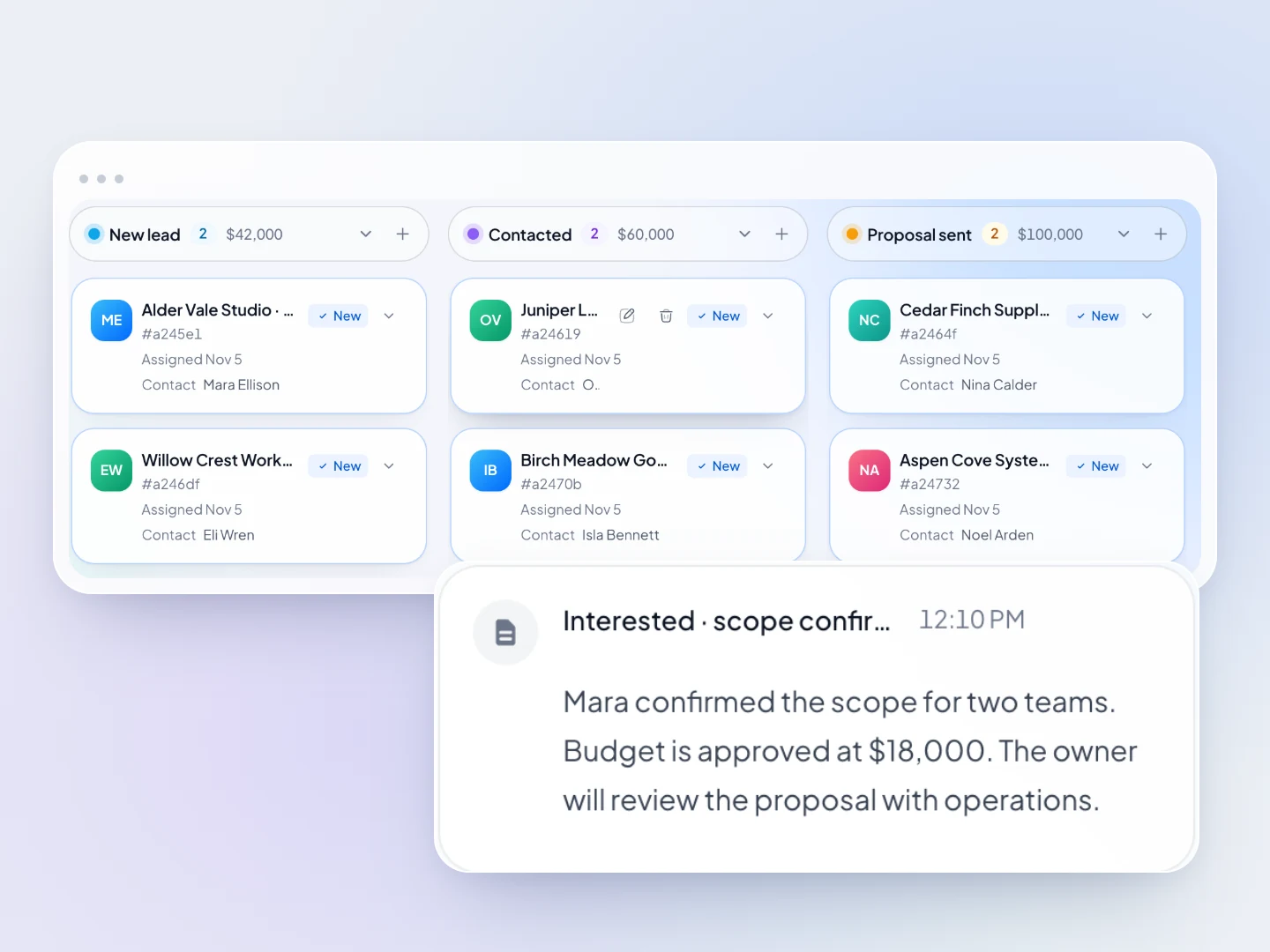
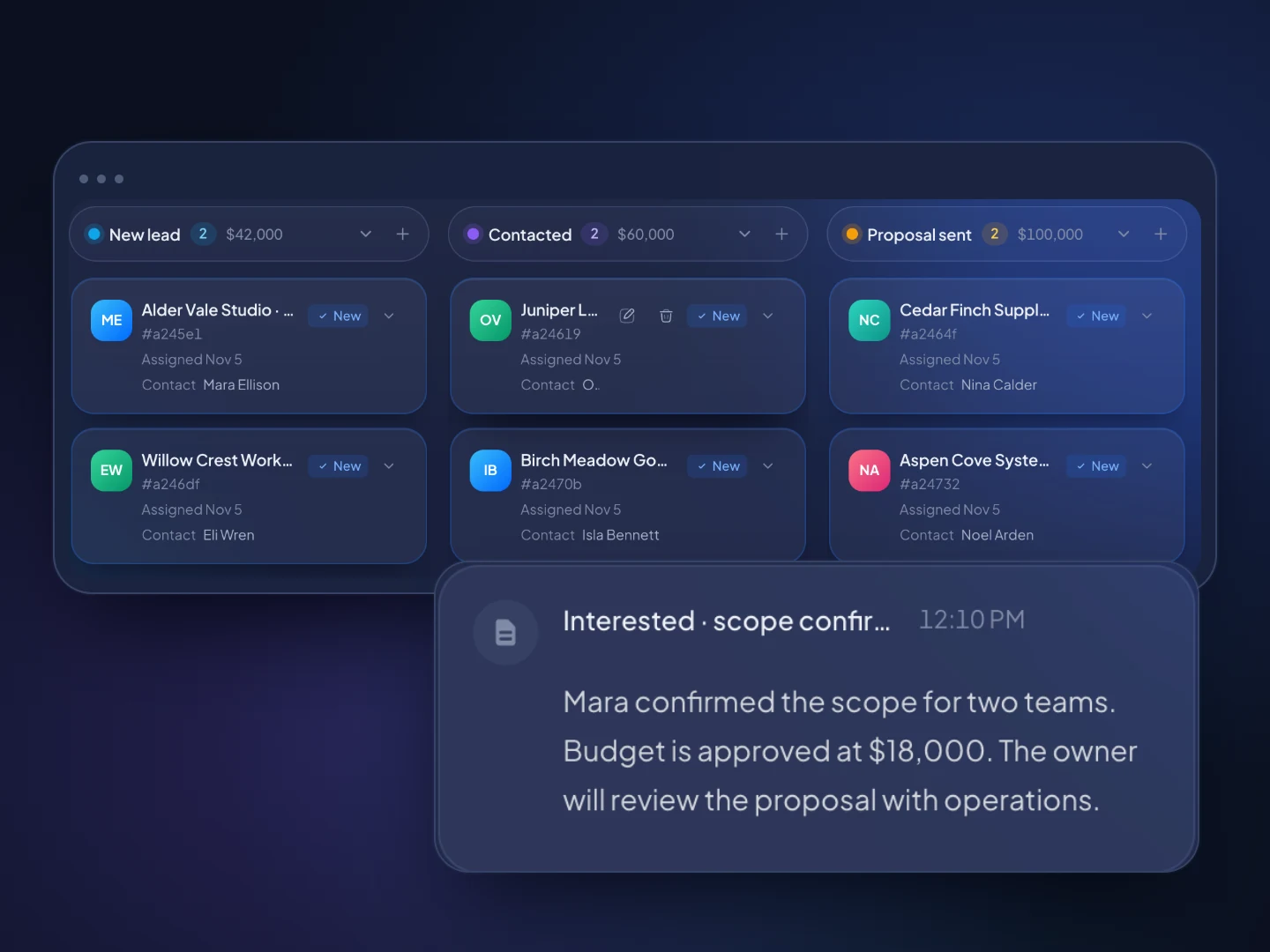
TopReach pipeline stages, deal values and a note on the associated contact. Fictional sample data.TopReach pipeline stages, deal values and a note on the associated contact. Fictional sample data.

How it works

From your CRM export to your first call block

  1. 01

    Import your contacts

    Export the contacts you call from your CRM as a spreadsheet and import it. TopReach finds the phone number in whichever column it's in, and it can find and merge duplicates.

  2. 02

    Set up callers and numbers

    Give each person who calls a phone license. TopReach can move existing numbers over, or you can buy local numbers at $10 a month each and turn on local presence.

  3. 03

    Dial, follow up and track

    Work saved or dynamic lists in power or parallel mode, at a desk or on the phone. Outcomes save to the contact and deals move along the pipeline.

Guide

CloudTalk or a CRM with a built-in dialer: how to choose

Teams usually look for a CloudTalk alternative when their calling is mostly outbound and the cost of add-on dialers, a separate CRM and an integration between them starts to add up. This guide explains what CloudTalk is built for, when it's still the right choice, and how the dialers and prices compare. Every statement about CloudTalk comes from CloudTalk's own pages, checked November 7, 2026.

What is CloudTalk, and who is it for?

CloudTalk is call center software. It says you can 'Make and receive calls using a powerful call center software that's connected to your favorite business tools, including CRM and helpdesk solutions.'

Starter, at $25 a user a month billed annually, includes unlimited calls across the US and Canada under fair usage, ring groups, call queues, queue callback and a visual call flow builder. Essential, at $29, adds IVR, skill-based routing and international SMS and MMS. Expert, at $49 with a 3-license minimum, adds the smart dialer, the preview and power dialer, live monitoring, WhatsApp and Salesforce. Annual billing comes with a 12-month commitment.

CloudTalk lists local numbers in 160+ countries and sells AI voice agents. US and Canadian customers also pay an 11% Compliance and Administrative Cost Recovery Fee on the software subscription. CloudTalk isn't a CRM; it connects to one.

When is CloudTalk the better choice?

CloudTalk is the better choice when you run a call center that takes inbound calls as well as making them, or when you call across many countries.

  • You need a call center with inbound routing and outbound dialing in one tool: queues, IVR and skill-based routing, which TopReach doesn't have.
  • You need local numbers in many countries; CloudTalk lists 160+.
  • Your callers work at desks, keep their CRM, and want parallel dialing on up to 10 lines.
  • You want AI voice agents to answer calls. TopReach's AI covers live transcripts and call summaries, not answering calls.
  • You already pay for a CRM you're happy with. CloudTalk Expert at $49 a user a month billed annually, with the power dialer included, costs less per caller than a TopReach seat and phone license.

When does a CRM with a built-in dialer fit better?

A CRM with a built-in dialer fits better when most calls go out, the same team works the list and the pipeline, and you'd rather not maintain an integration between a call center and a CRM.

In TopReach, the call, the outcome, the follow-up and the deal sit on the same record. A rep builds a saved list, or a dynamic list that fills itself from rules, starts the dialer and works through it with the call script on the call screen.

When a call isn't answered, TopReach can drop a voicemail and then send a text or an email on the days you choose. Managers see conversations and outcomes per rep, with leaderboards, and can listen in, whisper or barge in on live calls.

How do the CloudTalk and TopReach dialers compare?

Both have a power dialer and a parallel dialer. On CloudTalk, the preview and power dialer is included on Expert or a $15 add-on, and the Parallel Dialer is a $39 add-on on every plan that can 'Dial up to 10 numbers at once', with answering machine detection and automatic voicemail drop. Both prices are per user a month, billed annually. Expert also includes a smart dialer.

On TopReach, power and parallel modes both come with the $99 phone license. Power mode calls one number after another, so whoever answers reaches a rep. Parallel mode rings several numbers at once and connects the rep to whoever picks up first.

When two people answer a parallel session at the same moment, one is dropped, and the more lines you ring, the more often that happens. In the US, the Telemarketing Sales Rule limits abandoned calls to 3% of answered calls per campaign over 30 days, and Canada's limit is 5%, so keep parallel mode for large cold lists and watch the rate.

Can you dial from your phone?

In TopReach, yes. The iPhone and Android apps run power and parallel sessions: pick a call list, tap Power or Parallel, and the next lead, the live call and the call script share one screen. Parallel shows when your workspace has it turned on. Calls go out over Wi-Fi or mobile data from your team's business numbers, and local presence works the same as on the web.

CloudTalk's mobile app, CloudTalk Go, makes and takes calls and manages contacts. Its help center says: 'Features like Smart Dialer, Power Dialer, Voicemail Drop, Call Automation, and notification preferences are only available on desktop.'

How does pricing compare for a calling team?

CloudTalk costs less per caller if you already have a CRM. TopReach includes the CRM and both dialer modes for every caller.

Take four callers and one manager who doesn't call. On TopReach with monthly billing, that's five seats at $55, four phone licenses at $99 and four numbers at $10: $711 a month, or $681 with the seats billed yearly, with the CRM included.

Four CloudTalk Expert licenses, with the power dialer included, are listed at $196 a month billed annually. Adding the Parallel Dialer for all four is $156 more: $352 a month on a 12-month commitment, before the 11% cost recovery fee, numbers and the CRM you connect it to. If your team keeps its CRM and dials from desks, CloudTalk will usually cost less.

What should you check before you switch?

Check how much of your phone work is inbound, where your reps dial from, and what you'd give up. A short list:

  • Inbound: TopReach has no IVR, queues or routing. If customers call a main line that needs them, keep a call center for it.
  • Commitment: CloudTalk's annual billing comes with a 12-month commitment, so check your renewal date before you move.
  • Integrations: TopReach has no built-in integrations with other CRMs or helpdesks. It has a public API with keys and webhooks.
  • Minutes: CloudTalk lists unlimited calls across the US and Canada under fair usage. A TopReach phone license includes 3,000 minutes a month per caller, with packs of 1,000, 5,000 or 10,000.
  • Numbers: TopReach can move your existing numbers over, or you can buy local numbers at $10 a month each for local presence.
  • Your data: export contacts from your CRM as a spreadsheet. TopReach finds the phone column on import and can merge duplicates.

What rules apply to outbound calling and texting?

Outbound calling and texting are regulated in both the US and Canada, whichever tool you use. This is general information, not legal advice.

  • TCPA: autodialed or prerecorded calls and texts to cell phones generally need the person's prior express consent, and a dropped voicemail counts as a prerecorded message. Many states add their own mini-TCPA rules.
  • National Do Not Call Registry: telemarketing calls must respect it. TopReach keeps your own do-not-call list and handles texting opt-outs, but it doesn't scrub numbers against the national registry.
  • Telemarketing Sales Rule: covers telemarketing calls, including the 3% abandoned-call limit that parallel dialing can push against.
  • Caller ID: the Truth in Caller ID Act bars sending misleading caller ID to defraud or cause harm, and carriers check calls with STIR/SHAKEN. Calling from local numbers you own is different from spoofing.
  • Call recording: some US states require everyone on the call to consent before recording.
  • Canada: the CRTC's rules include the National DNCL and a 5% abandoned-call limit, and CASL covers commercial texts and emails. Check with your counsel before you start.

Side by side

TopReach vs CloudTalk

CloudTalk details come from CloudTalk's own pricing page, help center and App Store listing, checked November 7, 2026. Plans change, so check theirs before you decide.

What it is

TopReach
A CRM with a dialer and texting built in
CloudTalk
Call center software that connects to your CRM and helpdesk

CRM (contacts, deals pipeline)

TopReach
✓Yes
CloudTalk
Connects to your CRM

Power dialer

TopReach
Every caller, on the phone license
CloudTalk
$15 add-on on Starter and Essential (billed annually); included on Expert

Parallel dialing (several numbers at once)

TopReach
Every caller, on the phone license
CloudTalk
$39 add-on on every plan (billed annually): 'Dial up to 10 numbers at once'

Power or parallel dialing from the phone app

TopReach
Both, in the iPhone and Android apps
CloudTalk
No: dialers are 'only available on desktop'

CRM in the phone app

TopReach
Contacts, deals and Today
CloudTalk
Contact management only

IVR, queues and routing

TopReach
No
CloudTalk
Queues from Starter; IVR and skill-based routing from Essential

Texting

TopReach
Two-way SMS and MMS, shared inbox
CloudTalk
SMS and MMS from Essential; WhatsApp on Expert

AI call summaries

TopReach
Included with the phone license
CloudTalk
AI Conversation Intelligence add-on, $9 a user a month

Local presence

TopReach
Included with the phone license
CloudTalk
Not named on the pricing page; Branded caller ID add-on from $0.07 a call

Listed price (USD)

TopReach
$55 a seat ($49 yearly), plus $99 a month per caller
CloudTalk
$25, $29 or $49 a user a month billed annually ($34, $39, $69 monthly), plus an 11% fee in the US and Canada

FAQ

Questions about switching from CloudTalk

It is for a team whose phone work is mostly outbound and who wants the CRM, both dialers and texting in one product, on the web and the phone. It isn't if you run an inbound call center: TopReach has no IVR, call queues or skill-based routing, and CloudTalk has all three.

A sales team working together at dusk

Run outbound calls from the CRM.

Start a 14-day free trial, import a list and make your first call block.

Updated