Guide
How political call time works, and how to run it well
Call time is how many campaigns raise money from individual donors, one direct ask at a time, and it runs on preparation. This guide explains how a session runs, what goes on a call sheet, how to track pledges until the money arrives, which dialer mode to use and what your compliance staff need to check.
What is political call time?
Call time is the scheduled block when a candidate phones donors and asks them for contributions. A staffer, often called the call time manager or finance assistant, prepares the list, sits in, logs each result and handles the follow-up so the candidate can keep calling.
Candidates in competitive races often spend several hours a day on call time, and more in the weeks before a reporting deadline. The candidate does the asking because a personal request from the person on the ballot carries weight that an email or a letter doesn't.
Where the calls happen matters too. US federal law bars soliciting contributions in federal buildings used for official business, which is why sitting members of Congress make fundraising calls from campaign or party offices. Rules for state and local officials vary.
How does a call time session run?
A good session is an uninterrupted block of calling, often two to four hours, with the call sheet ready before the candidate sits down. The candidate talks; the staffer does everything else.
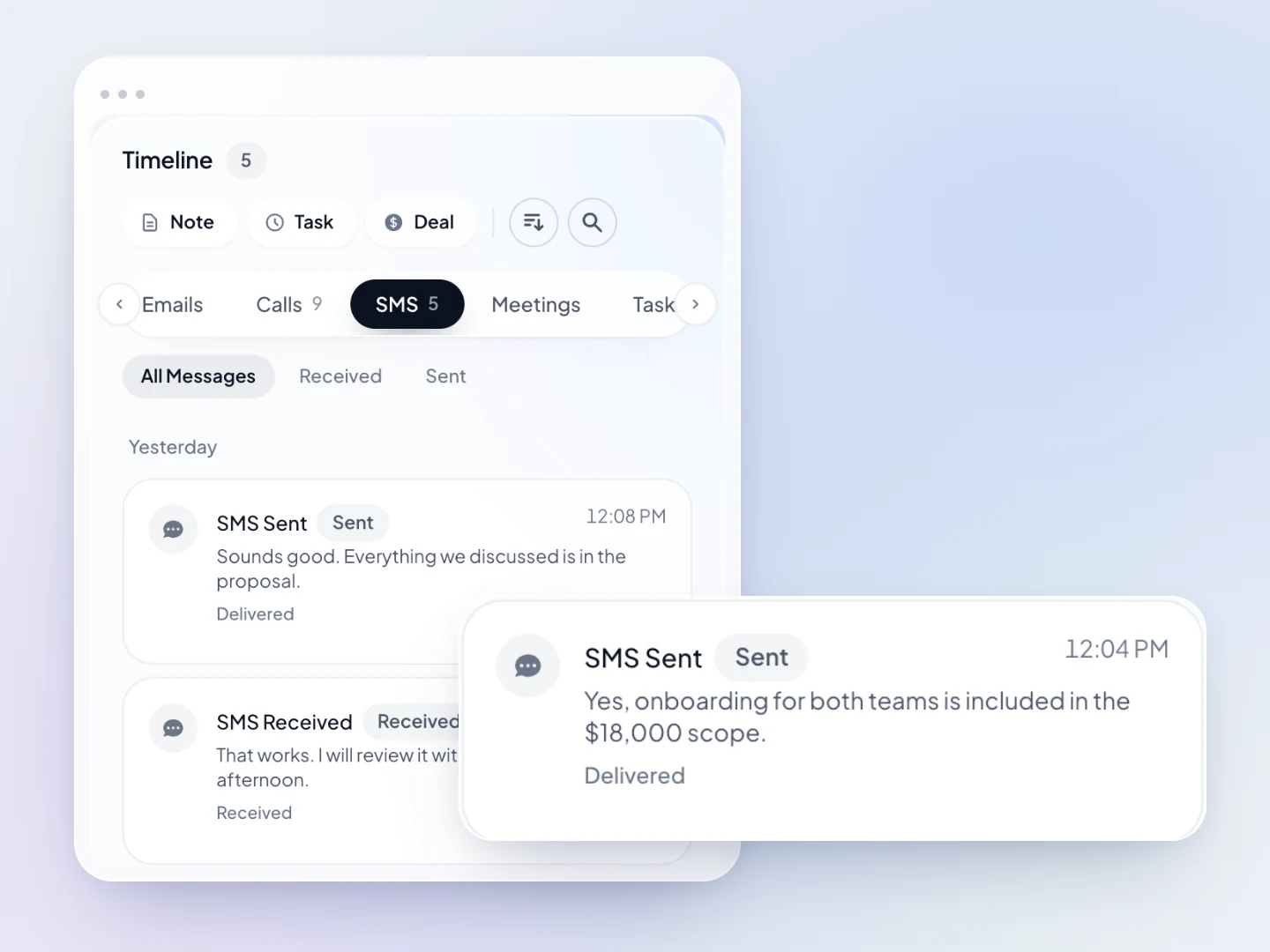
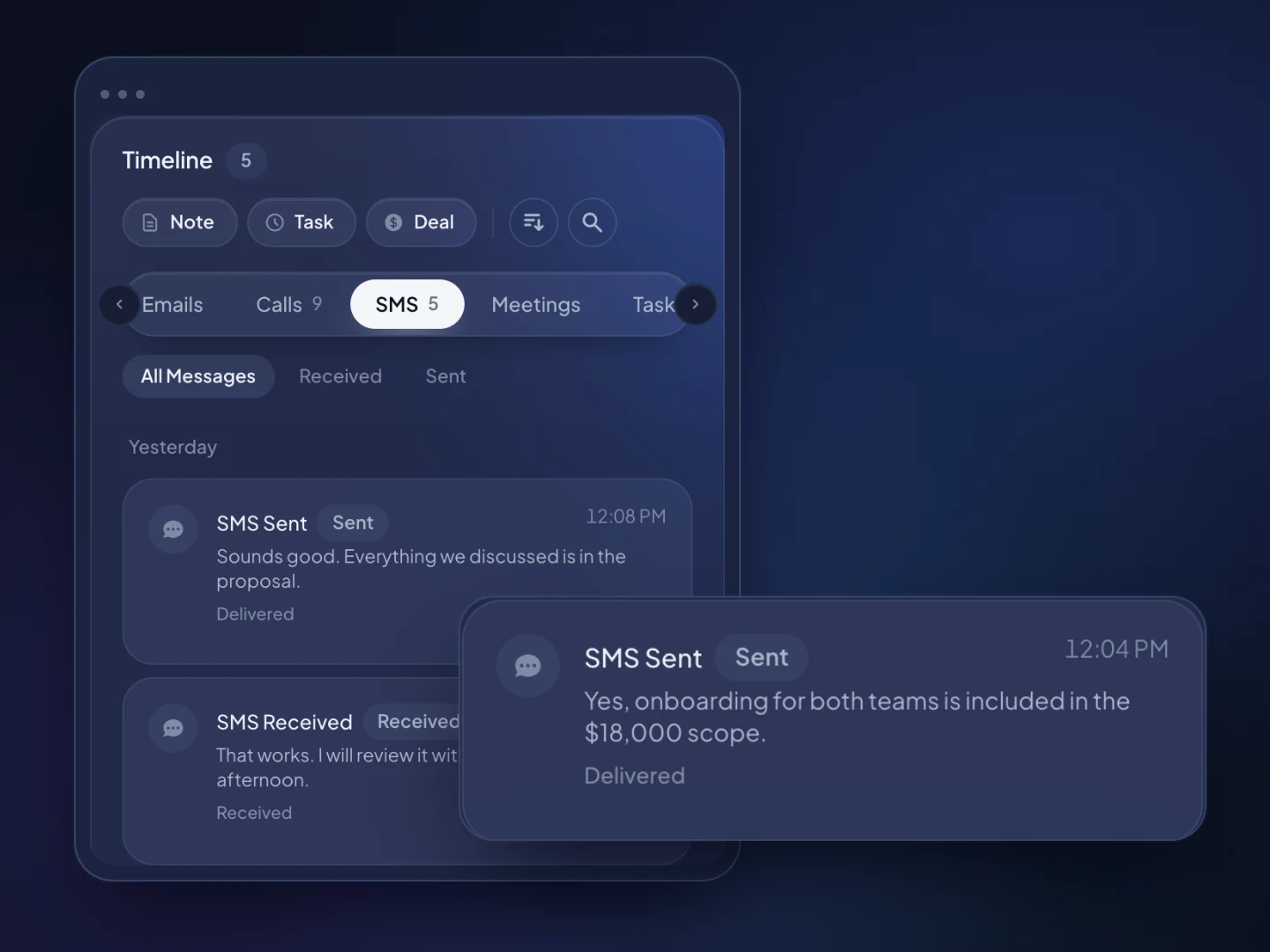
If the staffer isn't in the room, they can listen in live from their own seat. Outcomes and notes are saved to the donor's timeline as each call ends, so nothing depends on a paper sheet being typed up later.
- Before: the staffer builds the session list, ranks it by priority and checks that each donor has a working number, an ask amount and current notes.
- During: the candidate works down the list. In power mode, TopReach starts the next call as soon as the last one ends, and the call screen shows the donor, their last note and the next step.
- No answer: TopReach can drop a voicemail automatically, so the candidate doesn't record the same message forty times, then send a text or email on the days you choose.
- Pledges: the staffer logs the amount on the spot, adds the pledge to the pipeline and sends the contribution link by text or email while the donor still remembers the call.
- After: a short recap of hours, conversations, pledges and dollars pledged, plus the callbacks owed for the next session.
What goes on a call time call sheet?
A call sheet tells the candidate who they're calling, why this person and how much to ask for. Keep it to what the candidate can read in the seconds before the call connects.
In TopReach, these details live in custom fields and tags on the contact, and the session list is a saved list or a dynamic list built from rules on those fields and tags. The call screen shows the contact, their last note and what to do next, so the sheet the candidate reads is the same record the staff keeps.
- Name, best phone number and any other numbers to try
- Employer and occupation, which compliance staff need for larger donors
- Past contributions to the campaign and the total given this cycle
- Room left under the contribution limit, so a maxed-out donor isn't asked for more
- A specific ask amount
- The personal connection: who knows them, how they met the candidate and what they care about
- Notes from the last conversation and any open pledge
How do you track call time pledges until the money comes in?
Log every pledge as it happens, follow up the same day and keep it on a board until the contribution arrives. Pledges that live in a notebook are easy to lose.
TopReach's deals pipeline works as a pledge board. A simple setup uses stages like Pledged, Link sent, Reminded, Received and Withdrawn. Each pledge carries its amount, and the pipeline shows the value at each stage, so the finance director can see dollars promised and dollars still outstanding.
Follow-up decides whether a pledge turns into money. Send the contribution link by text or email right after the call, using a saved template. Set a reminder task for two or three days later. If the money hasn't arrived, send a second note, and for larger pledges put the donor back on the candidate's list for a short thank-you and reminder call. Every text, email and call lands on the donor's timeline, so whoever picks up the follow-up can see what was already sent.
TopReach doesn't process contributions or connect to your contribution platform, so a staffer moves the pledge to Received when the money shows up in your records.
Should a campaign use a power dialer or a parallel dialer?
Use power mode for candidate call time and for warm donors. Power dialing calls one number after another, so when a donor answers, the candidate is already on the line.
Parallel dialing calls several numbers at once and connects the caller to whoever picks up. It can produce more conversations per hour on a big list where most calls go unanswered, but when two people answer at once, the one nobody is free for gets dropped. A major donor who picks up to silence is a bad outcome. Keep parallel mode for staff or volunteers working large lists, such as volunteer recruitment, and only where your counsel is comfortable with the dialing method.
Both modes come with the same $99-a-month phone licence, so you can pick the mode list by list.
How do campaigns use calling and texting beyond call time?
The same workspace handles the rest of a campaign's phone and text outreach: staff calls to donors the candidate won't reach personally, event follow-up, volunteer recruitment and advocacy calling.
TopReach doesn't supply voter files or donor lists. You call your own donors and supporters, imported from a spreadsheet, and the import finds the phone number in whichever column your file uses.
- Donor outreach: finance staff call and text past small-dollar donors and event guests, and log outcomes the same way the candidate does.
- Volunteer recruitment: call supporters to fill shifts, then confirm with a text the day before. Replies land in a shared inbox the whole team can answer.
- Advocacy calling: groups call members and supporters to ask them to contact a lawmaker, attend a hearing or give, and track who said yes.
- PACs: staff call members and past donors, with pledges on the same pipeline as everything else.
What compliance rules apply to call time and campaign calls?
Campaign fundraising calls fall under two sets of rules: campaign finance rules on who can give and what you must record, and telephone rules on how you can call and text. Both vary by country, state and race, so check with your compliance counsel before you start. This is a general overview, not legal advice.
TopReach helps with the record-keeping side. Custom fields hold employer, occupation and anything else your compliance staff ask for, and the do-not-call list and texting opt-out handling apply across every caller. It doesn't file campaign finance reports, check contribution limits or process contributions; those stay with your compliance staff and their tools.
- Contribution limits: limits are set per election and differ for federal, state and local races. Federal rules bar contributions from corporations and foreign nationals, and states set their own rules. Check a donor's room under the limit before the ask.
- Donor information: US federal committees must make best efforts to collect the name, address, occupation and employer of anyone who gives more than $200 in aggregate. Contributor information copied from FEC reports can't be used to solicit contributions.
- Calls and texts to cell phones: under the US TCPA, autodialed or prerecorded calls and texts to cell phones generally need the person's prior express consent, even for political messages, and a dropped voicemail is a prerecorded message. Political calls are exempt from the National Do Not Call Registry, but not from these consent rules.
- Call recording: some US states require everyone on a call to agree before it is recorded.
- Canada: contribution limits and who may give are set by federal and provincial election law. CASL covers texts and emails, with an exemption for messages whose main purpose is soliciting a contribution for a party or candidate. Calling during an election can require registering with the CRTC's Voter Contact Registry.
How do you measure call time results?
Track hours, conversations, pledges and money received, per session and per week. Dials alone say little: a session that reaches ten donors and gets six pledges did more than one with a hundred unanswered dials.
TopReach reports conversations and outcomes per caller and shows leaderboards, which also suits staff and volunteer calling. The pipeline gives pledged and outstanding dollars by stage. Review the numbers with the candidate each week; they make the case for protecting call time on the schedule.
- Hours of call time completed against hours scheduled
- Conversations per hour, from call outcomes
- Pledges and dollars pledged, from the pipeline
- Dollars received and the share of pledges fulfilled
- Callbacks owed and how many were made