Guide
How nonprofits run donor calling programs
A phone call is one of the most personal ways a nonprofit can thank, keep and upgrade donors. This guide covers the calls worth making, how to run callers and scripts, how to track pledges until they're paid, and the rules to check before you dial.
What is donor calling software?
Donor calling software lets a nonprofit's staff and volunteers phone donors from a list, record what happened on each call and follow up, without juggling a spreadsheet, a desk phone and a separate texting app. The dialer sits inside the donor record, so the caller sees who they're talking to and every call is saved where the next caller can find it.
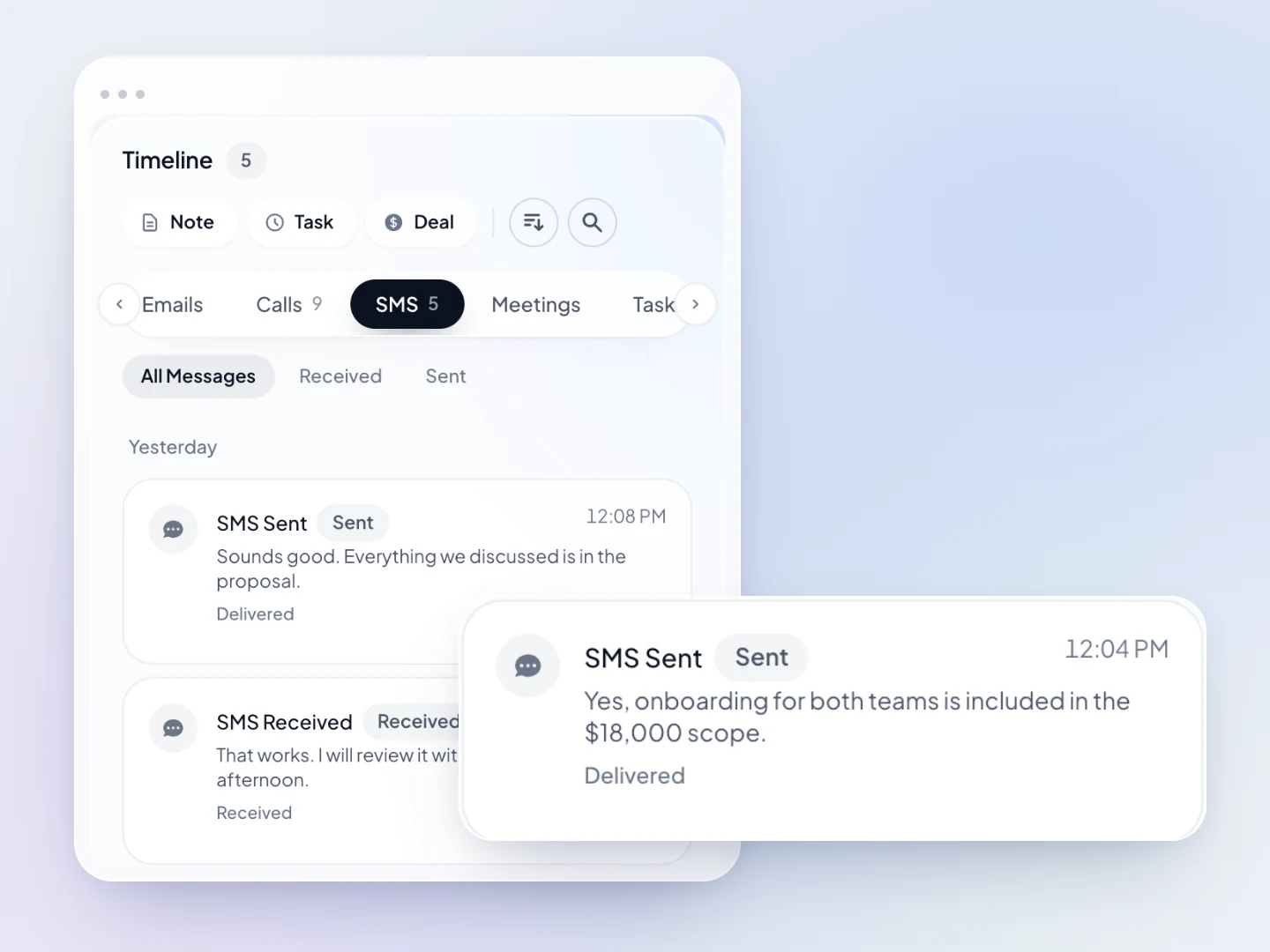
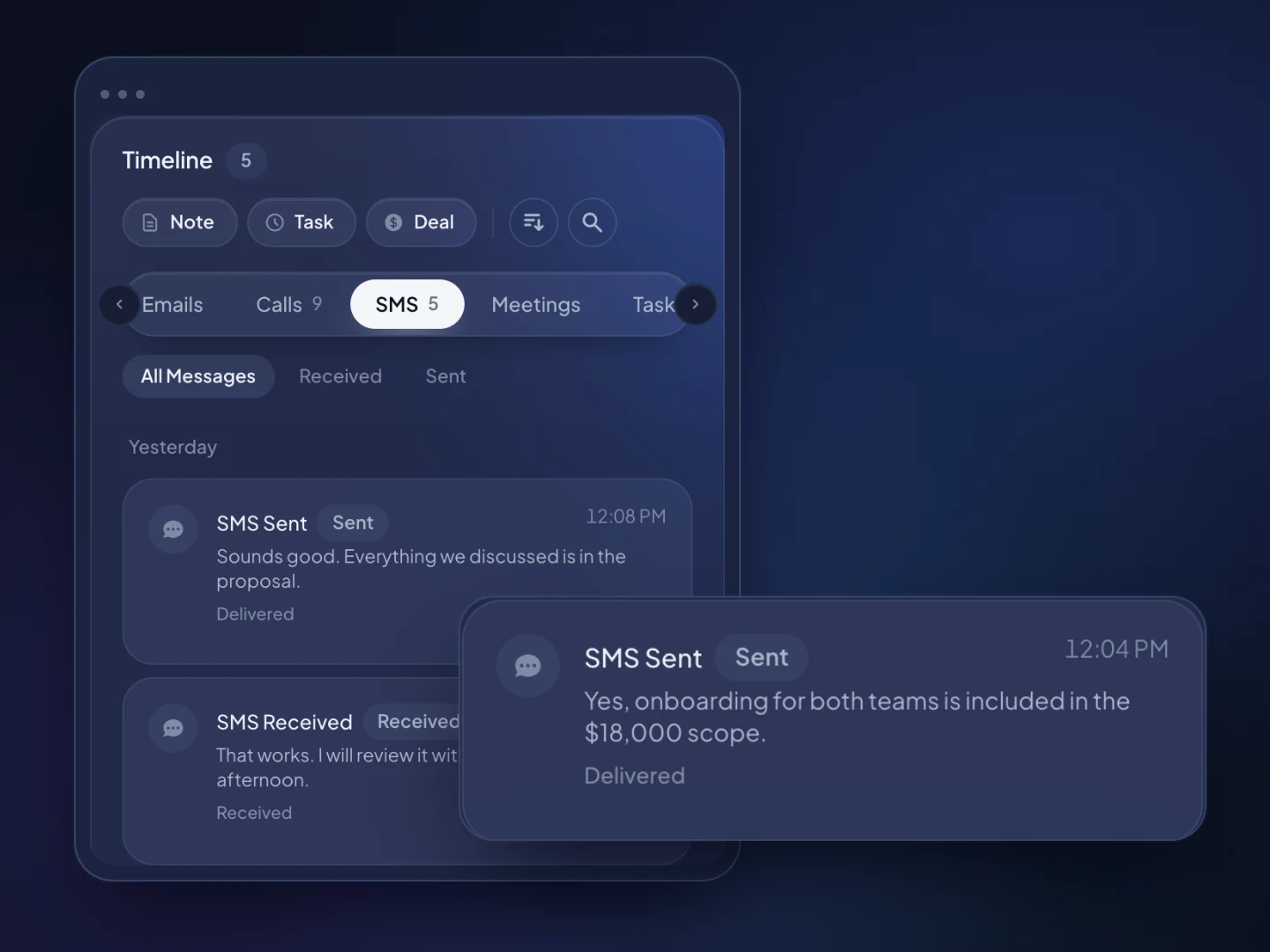
TopReach is a CRM with a built-in power dialer, parallel dialer and two-way texting. Callers work through a saved or dynamic list. The call screen shows the donor, their last note and what to do next, and the outcome and notes save to the donor's timeline. Pledges go on a pipeline, and an unanswered call can trigger a voicemail and then a text or email on the days you choose.
It is not a donor database or a payment processor. Your gift records stay where they are today, and donors give through your own donation page. You export the list you want to call, import the spreadsheet and start dialing.
Which fundraising calls should a nonprofit make?
Five kinds of calls cover most donor programs: thank-you calls, lapsed donor reactivation, pledge follow-up, monthly giving upgrades, and phonathon or giving day asks. Each has its own list, script and goal, so run them as separate calling campaigns rather than one long list.
- Thank-you calls: call new and first-time donors soon after their gift, with no ask. First-time donors are the group least likely to give again, and a call from a real person does something an email receipt can't.
- Lapsed donor reactivation: call LYBUNT donors (gave last year but not this year) and SYBUNT donors (gave in some past year but not this year). Thank them for past support, ask what changed and invite them back with a specific ask.
- Pledge follow-up: call or text people who pledged but haven't paid. An unpaid pledge is often forgotten rather than refused, so a friendly reminder with the giving link often closes it.
- Monthly giving upgrades: ask current monthly donors for a small increase, and ask loyal one-time donors to start giving monthly.
- Phonathons and giving days: a set window, such as a few evenings or a single 24-hour day, when staff and volunteers call as many donors as they can toward a shared goal.
How do you run a phonathon or giving day calling program?
Run a phonathon as a series of short, supervised shifts with clean lists, one script per donor segment and results visible to everyone. Most of the work happens before the first call: callers should never spend a shift on wrong numbers or on donors who already gave.
On a giving day, the same setup runs on a tighter clock. Build each list as a dynamic list from rules, such as leaving out anyone tagged as having given today, so a donor drops off every caller's list once their gift is recorded.
- Split lists by segment, such as current, lapsed and monthly donors, and remove anyone on your do-not-call list.
- Write one script per segment and keep it beside the dialer, so every caller asks the same way.
- Keep shifts to two or three hours, with a short briefing at the start and a break in the middle.
- Use power mode for current and recent donors. Parallel mode can help on a large list of long-lapsed donors, but it can drop a call nobody is free to take.
- Text the donation link to anyone who pledges while they're still on the line, and add the pledge to the pipeline.
- Show a leaderboard of conversations and pledges per caller during the shift.
How should you manage volunteer and staff callers?
Give every caller their own login, a short list and a script, and let managers see results and listen in. Volunteers do best when they know exactly who to call and what to say, and when someone can help on a hard call.
In TopReach, owners, managers and callers each see what they need. Managers assign lists, listen in live to coach a new caller and review call recordings after the shift. Every outcome and note saves to the donor, so the staff member who follows up next week knows what the volunteer heard.
Train with real calls. Have new callers listen to a few recorded calls, then take their first calls while a manager listens in. Agree on a short set of outcomes, such as pledged, declined, call back, left voicemail and wrong number, so results mean the same thing across callers. Staff who manage their own donors, such as major gifts officers, can use tasks, reminders and the calendar in the same workspace.
What should a donor call script include?
A good donor call script is short, specific and written to be spoken. It tells the caller how to open, why they're calling, what to ask for and how to close, and it leaves room for the donor to talk.
Keep scripts in the shared script and template library, next to the text and email templates that go with them, so a change reaches every caller at once.
- Opening: the caller's name, your organization and a quick check that it's a good time.
- Thanks: a specific thank-you for their last gift, using what's on the call screen.
- Reason for the call: one or two sentences on the need or the campaign.
- The ask: a specific amount or monthly figure, based on their giving history.
- Common answers: short replies for 'I already gave', 'not right now' and 'please don't call me again', which goes straight on the do-not-call list.
- Close: confirm the amount and how they'll give, offer to text the donation link and thank them again.
How do you track pledges until they're paid?
Treat every pledge as a deal on a pipeline and keep moving it until the gift arrives. A pledge that isn't tracked is easy to forget, for the donor and for your team.
In TopReach, the deals pipeline works as a pledge board. A typical setup has stages such as Pledged, Link sent, Reminder sent, Paid and Unfulfilled. Each pledge carries its amount, and the pipeline shows the total value at each stage, so you can see how much has been promised and how much is still outstanding.
Follow up while the call is fresh. Text the donation link right away, set a reminder task for a few days later, and send a second text or email if the gift hasn't arrived. TopReach doesn't process payments or sync with donation platforms, so someone on the team moves a pledge to Paid when the gift shows up in your donation records.
Your fulfillment rate is paid pledges divided by all pledges. Watch it by campaign and by caller. A low rate is a sign to look at how pledges are confirmed on the call and how quickly they're followed up.
How do you measure donor caller performance?
Measure conversations and outcomes, not dials. A caller who dials 200 numbers and talks to 10 donors has done less than one who talks to 25, and the outcome of each conversation tells you whether the list and the script are working.
TopReach shows conversations and outcomes per caller, and leaderboards for the team. Use them to coach as well as to rank. A caller with plenty of conversations and few pledges may need help with the ask rather than more numbers to call.
- Conversations per hour: how many donors a caller actually spoke with.
- Outcomes: pledges, declines, call backs and wrong numbers, per caller and per list.
- Pledges and pledge value per caller, taken from the pipeline.
- Fulfillment rate: how many of each caller's pledges were paid.
What rules apply to nonprofit fundraising calls and texts?
Charities get some exemptions from calling rules, but not from all of them, and the details depend on where you and your donors are. Check the rules where you call before you start. This is a general overview, not legal advice.
TopReach keeps a do-not-call list and handles texting opt-outs, so one donor's request applies across the whole team. Whether a particular call or text is allowed is still a decision to make under the rules that apply to you.
- United States, do-not-call: calls from a charity's own staff and volunteers are generally exempt from the National Do Not Call Registry. A paid telemarketing firm calling for a charity must still honor a donor's request not to be called again, and limits on abandoned calls apply to it.
- United States, cell phones and texts: federal rules on autodialed or prerecorded calls and texts to cell phones generally require the person's prior consent, and a dropped voicemail is a prerecorded message. Some states add stricter rules of their own.
- Charity registration: many US states require charities to register before soliciting donations from their residents, and that can include phone solicitation.
- Canada: registered charities are exempt from the National Do Not Call List rules but must keep their own do-not-call list and follow the CRTC's other telemarketing rules. CASL covers texts and emails, with an exemption for messages whose main purpose is raising funds for a registered charity.
- Call recording: some US states require everyone on a call to agree before it is recorded, so tell donors when calls are recorded.