Quo (OpenPhone) alternative

A Quo alternative for teams that need to dial a list.

Quo, formerly OpenPhone, is a business phone app built around shared numbers, texting and an AI agent that answers calls. It has no dialer, and its Fair Use Policy rules out auto-dialers 'under any circumstances'. TopReach is a CRM with a power dialer, parallel dialer and two-way texting built in, made for teams whose day is outbound calls. If your team mostly answers and texts customers from a shared number, Quo is likely the better fit, and this page explains why.

  • ✓Power and parallel dialing are what TopReach is built for; Quo's Fair Use Policy bans auto-dialers
  • ✓Every dialer mode, local presence and AI call summaries on one $99 phone license
  • ✓Contacts, a deals pipeline, follow-ups and texting in one workspace, on the web, iPhone and Android
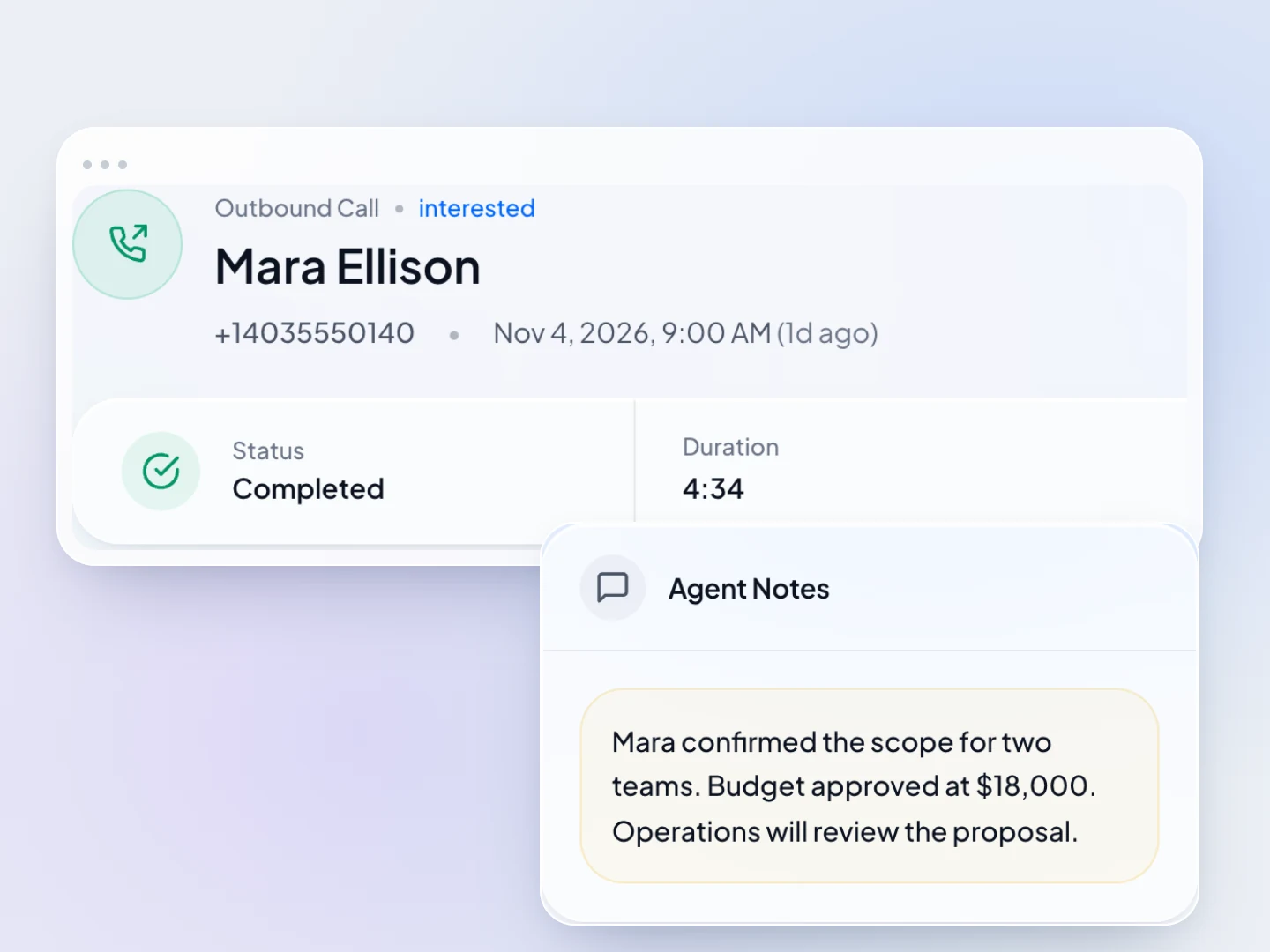
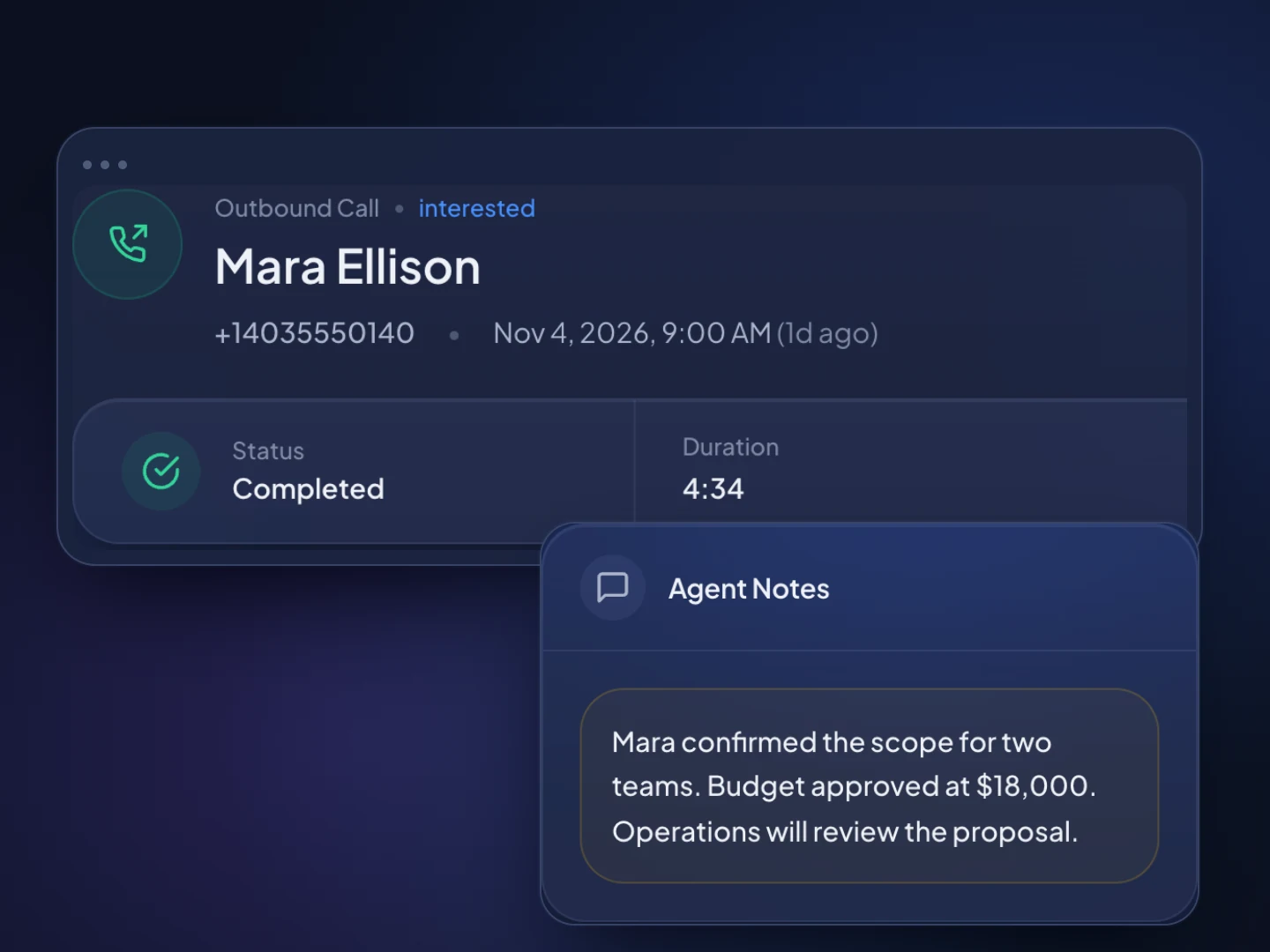
A completed TopReach call with its outcome, duration and saved rep note. Fictional sample data.A completed TopReach call with its outcome, duration and saved rep note. Fictional sample data.
Phone license per caller / mo, 3,000 minutes
$99
Per seat / mo, or $49 billed yearly
$55
Dialer modes on one license: power and parallel
2

Why outbound teams look at TopReach

What changes when the phone is built to call out

A dialer you're allowed to use

Quo has no dialer, and its Fair Use Policy bans 'bots, auto-dialers, or any automated calling systems'. In TopReach, power mode calls one number after another and parallel mode rings several at once, so reps spend their time talking, not dialing.
A CRM, not a contact list

Quo's app listing calls its contacts 'a mini CRM'. TopReach has contacts, companies, a deals pipeline with value by stage, custom fields, tags, tasks and a timeline of every call, text, email and note.

Follow-up when nobody answers

When a call isn't answered, TopReach can drop a voicemail, then send a text or an email on the days you choose. It tracks every touch, so nobody gets the same message twice.

The script on the call screen

Each call list can have its own call script, shown next to the outcome form with the contact's name and company filled in. Saving the outcome and a callback takes a couple of clicks.

Local presence included

With local presence on, each call shows one of your team's numbers with the lead's area code, or one from their province or state, and the same number on every follow-up. It's part of the phone license.

Dial from your phone

TopReach's iPhone and Android apps run power and parallel sessions with the script and the lead card on screen, from your business numbers over Wi-Fi or mobile data.

At a glance

What TopReach is
TopReach is a CRM with a built-in power dialer, parallel dialer and two-way texting for teams that sell and raise money by phone. Calls, texts, emails, follow-ups and the pipeline live in one workspace, on the web and in iPhone and Android apps.
What Quo is
Quo, formerly OpenPhone, is a business phone app that adds 'additional phone numbers on top of your existing devices', with shared numbers, texting, the Sona AI agent and contacts its app listing calls 'a mini CRM'.
The main difference
Quo is a phone app for answering and texting from business numbers, with no dialer. TopReach is a CRM built for outbound calling, with power and parallel dialing, and it has no phone menus or AI agents.
Quo's rule on dialers
Quo's Fair Use Policy says: 'Do not use bots, auto-dialers, or any automated calling systems under any circumstances.' It also bars calls 'without proper consent, including cold calls' (checked November 7, 2026).
TopReach pricing
$55 a seat a month, or $49 billed yearly. Each person who calls needs a $99-a-month phone license, which covers every dialer mode and includes 3,000 calling minutes. Phone numbers are $10 a month each, and there is a 14-day free trial.
Quo pricing
Starter $15, Business $23 and Scale $35 a user a month billed annually, or $19, $33 and $47 monthly. Extra numbers are $5 a month. Quo offers a 7-day trial (checked November 7, 2026).
Dialing from the phone
TopReach's iPhone and Android apps run power and parallel sessions with the call script on screen. Quo's app has no dialer, and its Fair Use Policy bans auto-dialers.
What TopReach doesn't do
TopReach has no IVR menus, inbound call queues, AI voice agents, National Do Not Call Registry scrubbing or built-in integrations. It has a public API with keys and webhooks.

The pipeline

Every call lands on a deal, not just a thread

Calls, texts and emails save to the contact's timeline, and each deal sits on a pipeline that shows the value at every stage.

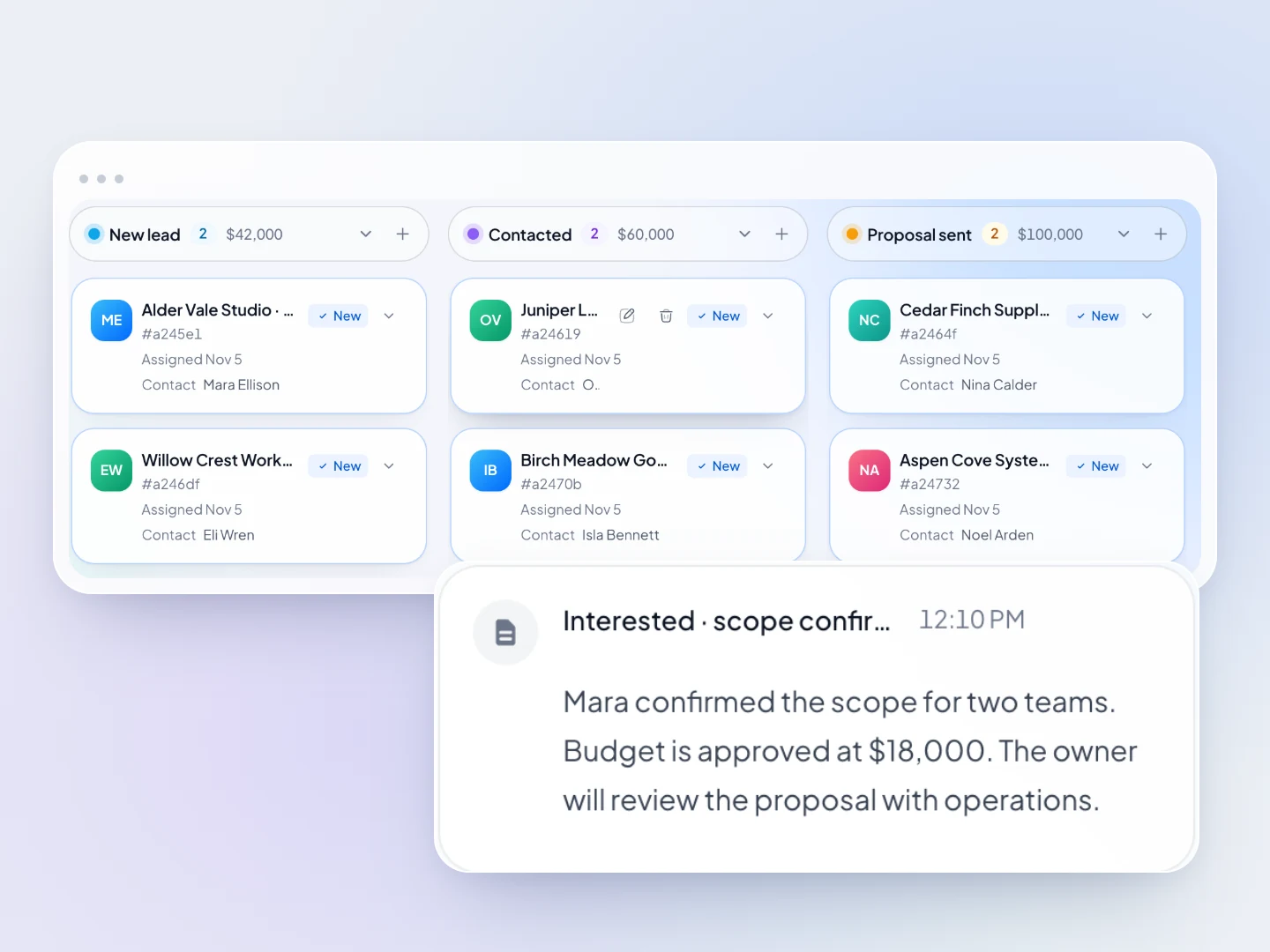
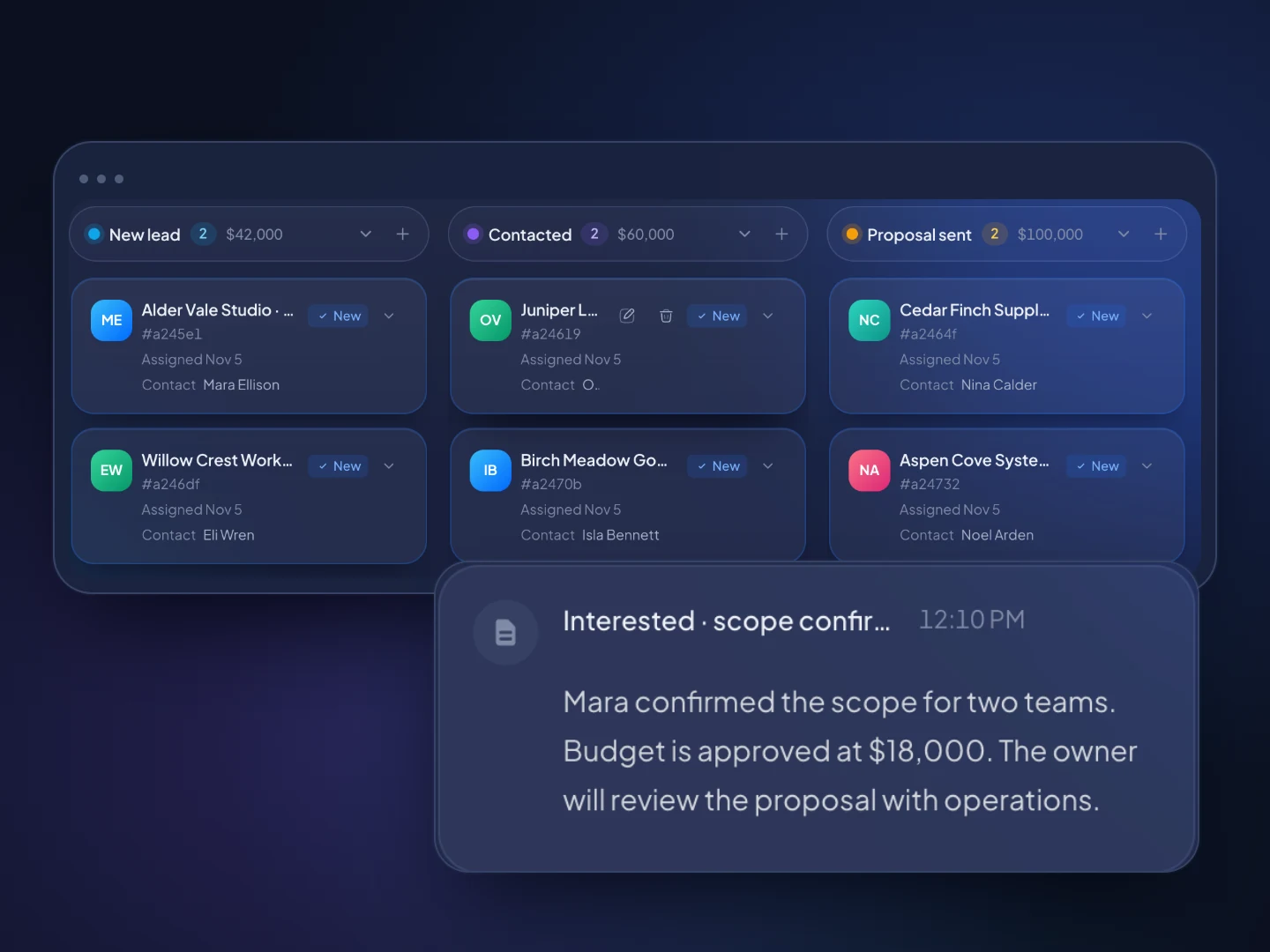
TopReach pipeline stages, deal values and a note on the associated contact. Fictional sample data.TopReach pipeline stages, deal values and a note on the associated contact. Fictional sample data.

How it works

From a Quo contact list to your first call block

  1. 01

    Import your contacts

    Export the contacts you call as a spreadsheet and import it. TopReach finds the phone number in whichever column it's in, and it can find and merge duplicates.

  2. 02

    Move or buy your numbers

    TopReach can move your existing numbers over, or you can buy local numbers at $10 a month each. Turn on local presence so each lead sees a number from their area.

  3. 03

    Build a list and start dialing

    Make a saved list, or a dynamic list that fills itself from rules, add a call script and start a power or parallel session on the web or your phone.

Guide

Quo or a CRM with a built-in dialer: how to choose

Teams usually look for a Quo alternative when their phone work shifts from answering customers to calling through lists. That's where Quo stops fitting: it has no dialer, and its own policy rules one out. This guide explains what Quo is built for, what its Fair Use Policy says, when Quo is still the right choice and how the dialers and prices compare. Every statement about Quo comes from Quo's own pages, checked November 7, 2026.

What is Quo, and who is it for?

Quo, formerly OpenPhone, is a business phone app. It says it uses the internet 'to provide you with additional phone numbers on top of your existing devices', so a team can call and text from business numbers on the phones and computers they already have.

Its plans are built around shared numbers, texting and answering calls. Starter, at $15 a user a month billed annually, includes a local or toll-free number per user, calling and messaging to US and Canadian numbers under its fair use rules, voicemail transcripts, the Quo API and the Sona AI agent, which 'answers calls 24/7'. Business, at $23, adds AI call summaries and transcripts, group calling, call transfers, phone menus, analytics, automatic call recording and HubSpot and Salesforce integrations. Scale, at $35, adds AI call tags, dedicated onboarding and priority support.

Quo isn't a CRM. Its contacts have custom properties, shared inboxes, internal notes and tasks, which its App Store listing calls 'a mini CRM', and its pricing page doesn't describe a deals pipeline.

What does Quo's fair use policy say about dialers and cold calls?

Quo's Fair Use Policy rules out the way a dialer works, not just the dialer itself. These lines are quoted from the policy:

  • 'Do not use bots, auto-dialers, or any automated calling systems under any circumstances.'
  • 'Generate excessive short-duration calls or abnormal spikes in call attempts'
  • 'Call large numbers of unique or sequential phone numbers in a manner inconsistent with normal business use'
  • 'Cold calling and/or messaging, including but not limited to any messages without proper consent and opt-out language'
  • Calls 'without proper consent, including cold calls'
  • Quo 'reserves the right to impose limits and charge overages' when usage isn't normal, fair and reasonable.

When is Quo the better choice?

Quo is the better choice when your phone work is mostly answering and texting customers, not calling through lists. TopReach has no phone menus and no AI agent that answers calls, so it can't replace a shared front line.

  • Your team mostly answers and texts customers from a shared business number.
  • You want a low price per user: Quo Starter is $15 a user a month billed annually.
  • You want an AI agent to answer calls after hours. Quo's Sona agent is on every plan, with 1,000 free credits (about 10 calls) a month and more from $25 a month.
  • You need phone menus, group calling and call transfers, which Quo lists from Business.
  • You keep HubSpot, Salesforce or another CRM and want calls logged there. Quo lists HubSpot and Salesforce integrations from Business; TopReach has none built in.

When does a CRM with a built-in dialer fit better?

A CRM with a built-in dialer fits better when the work is a list of people to call, a lot of follow-up and a pipeline to move, and the same team does all three.

That describes outbound sales reps, agencies booking meetings, insurance and mortgage brokers, real estate agents, recruiters, and founders or nonprofits raising money by phone. On a phone app, each call is a tap, notes live in a thread, and deals sit somewhere else. In TopReach, the call, the outcome, the follow-up and the deal sit on the same record.

A rep builds a saved list, or a dynamic list that fills itself from rules, and starts the dialer. The call script shows next to the outcome form with the contact's details filled in. When a call isn't answered, TopReach can drop a voicemail and then send a text or an email on the days you choose. Managers see conversations and outcomes per rep, with leaderboards, and can listen in, whisper or barge in on live calls.

How do the Quo and TopReach dialers compare?

Quo has no dialer, so a Quo user dials every number by hand, and its policy bars the automated calling a dialer does. TopReach includes two dialer modes in the same phone license.

Power mode calls one number after another, so whoever answers reaches a rep. It suits warm leads, existing customers and callbacks. Parallel mode rings several numbers at once and connects the rep to whoever picks up first. When two people answer at the same moment, one of them gets dropped, so keep parallel mode for large cold lists where most calls go unanswered.

In the US, the Telemarketing Sales Rule limits abandoned calls to 3% of answered calls per campaign, measured over 30 days, and Canada's limit is 5%. A team using parallel mode for telemarketing needs to watch that rate, and switch to power mode or fewer lines if it climbs.

Can you dial from your phone?

In TopReach, yes. The iPhone and Android apps run power and parallel sessions: pick a call list, tap Power or Parallel, and the next lead, the live call and the call script share one screen. Parallel shows when your workspace has it turned on. Calls go out over Wi-Fi or mobile data from your team's business numbers, so your personal number stays private, and local presence works the same as on the web.

Quo's app is good at what it's for: calls, texts, shared inboxes and contacts from business numbers on your own phone. It has no dialer, and Quo's Fair Use Policy bans auto-dialers on every device.

How does pricing compare for a calling team?

Quo costs much less per user, and TopReach includes a CRM and a dialer that Quo doesn't have. They're priced for different jobs.

Quo is listed at $15 (Starter), $23 (Business) and $35 (Scale) a user a month billed annually, or $19, $33 and $47 monthly. Extra numbers are $5 a month. Texting needs carrier registration: $19.50 one-time plus a $1.50 to $3 monthly messaging fee (checked November 7, 2026).

TopReach is $55 a seat a month, or $49 billed yearly. Each person who calls also needs a $99-a-month phone license, which covers power and parallel dialing, local presence and AI summaries and includes 3,000 minutes. Phone numbers are $10 a month each.

Take four callers and one manager who doesn't call. On TopReach with monthly billing, that's five seats at $55, four phone licenses at $99 and four numbers at $10: $711 a month, or $681 with the seats billed yearly, with the CRM included. Five Quo Business users are listed at $115 a month billed annually, or $165 monthly. That buys a phone system with AI summaries and phone menus, but no dialer and no pipeline. If your team answers and texts more than it dials, Quo costs less and fits better.

What should you check before you switch?

Check how much of your phone work is inbound, what you'd give up, and whether your lists are ones you're allowed to call. A short list:

  • Inbound: if customers call a shared number and need a menu or an AI agent, keep a phone system for that line.
  • Your lists: TopReach's acceptable use policy requires do-not-call checks before telemarketing and bans cold texting. TopReach keeps your own do-not-call list but doesn't scrub against the national registry.
  • Integrations: TopReach has no built-in integrations with other CRMs. It has a public API with keys and webhooks.
  • Minutes: estimate each caller's monthly minutes against the 3,000 included. Extra minutes come in packs of 1,000, 5,000 or 10,000.
  • Numbers: TopReach can move your existing numbers over, or you can buy local numbers at $10 a month each for local presence.
  • Your data: export contacts as a spreadsheet. TopReach finds the phone column on import and can merge duplicates.

What rules apply to cold calling and texting?

Cold calling is legal in many cases in the US and Canada, but it's regulated, whichever tool you use. This is general information, not legal advice.

  • TCPA: autodialed or prerecorded calls and texts to cell phones generally need the person's prior express consent, and marketing ones need written consent. A dropped voicemail counts as a prerecorded message. Many states add their own mini-TCPA rules.
  • National Do Not Call Registry: telemarketing calls must respect it and any state lists that apply. TopReach keeps your own do-not-call list and handles texting opt-outs, but it doesn't scrub numbers against the national registry.
  • Telemarketing Sales Rule: covers telemarketing calls, including calling hours and the 3% abandoned-call limit that parallel dialing can push against.
  • Caller ID: the Truth in Caller ID Act bars sending misleading caller ID to defraud or cause harm, and carriers check calls with STIR/SHAKEN. Calling from local numbers you own is different from spoofing.
  • Texting: text only people who opted in to texts from your business. Cold texting isn't allowed on TopReach.
  • Canada: the CRTC's Unsolicited Telecommunications Rules include the National DNCL and a 5% abandoned-call limit, and CASL covers commercial texts and emails. Check with your counsel before you start.

Side by side

TopReach vs Quo

Quo details come from Quo's own pricing page, Fair Use Policy and App Store listing, checked November 7, 2026. Plans change, so check theirs before you decide.

What it is

TopReach
A CRM with a dialer and texting built in
Quo
A business phone app with shared numbers, an AI agent and 'a mini CRM'

CRM (contacts, deals pipeline)

TopReach
✓Yes
Quo
Contacts, shared inboxes, notes and tasks; no deals pipeline described

Power dialer

TopReach
Every caller, on the phone license
Quo
None; the Fair Use Policy bans auto-dialers

Parallel dialing (several numbers at once)

TopReach
Every caller, on the phone license
Quo
None; banned by the same rule

Power or parallel dialing from the phone app

TopReach
Both, in the iPhone and Android apps
Quo
No: no dialer, and auto-dialers are banned

Cold calls

TopReach
Where the law allows, after do-not-call checks; no cold texting
Quo
Barred: calls 'without proper consent, including cold calls'

Texting

TopReach
Two-way SMS and MMS, shared inbox
Quo
Unlimited messaging to US and Canadian numbers, fair use applies

Phone menus and an AI agent that answers calls

TopReach
No
Quo
Phone menus from Business; the Sona AI agent on every plan

AI call summaries

TopReach
Included with the phone license
Quo
From the Business plan

CRM integrations

TopReach
None built in; a public API with keys and webhooks
Quo
HubSpot and Salesforce from Business

Listed price (USD)

TopReach
$55 a seat ($49 yearly), plus $99 a month per caller
Quo
$15, $23 or $35 a user a month billed annually; $19, $33 or $47 monthly

FAQ

Questions about switching from Quo

It is if your team needs to call through lists every day and wants the CRM, the dialer and texting in one place. It isn't if you mainly answer and text customers from a shared number: TopReach has no phone menus and no AI agent that answers calls, and Quo has both.

A sales team working together at dusk

Call your list from the CRM.

Start a 14-day free trial, import a spreadsheet and run your first power or parallel session.

Updated