CRM for real estate syndicators

The CRM for real estate syndicators: every LP, call and commitment, deal after deal.

Raising equity for a syndication is phone work: launch calls to your LP list, follow-up until subscription documents are signed and funded, and investor relations calls between deals so the next raise starts warm. TopReach keeps the LP list, the dialer, texting, email and a pipeline from first call to funded in one workspace. Your investor portal keeps the subscriptions and distributions.
  • ✓A pipeline for each raise from first call to soft commit, sub docs sent and funded, with dollars at every stage
  • ✓Power-dial your LP list on launch day, with every past call, text and note on each investor's timeline
  • ✓Voicemail, text and email follow-up when an LP doesn't pick up, tracked so nobody gets the same message twice
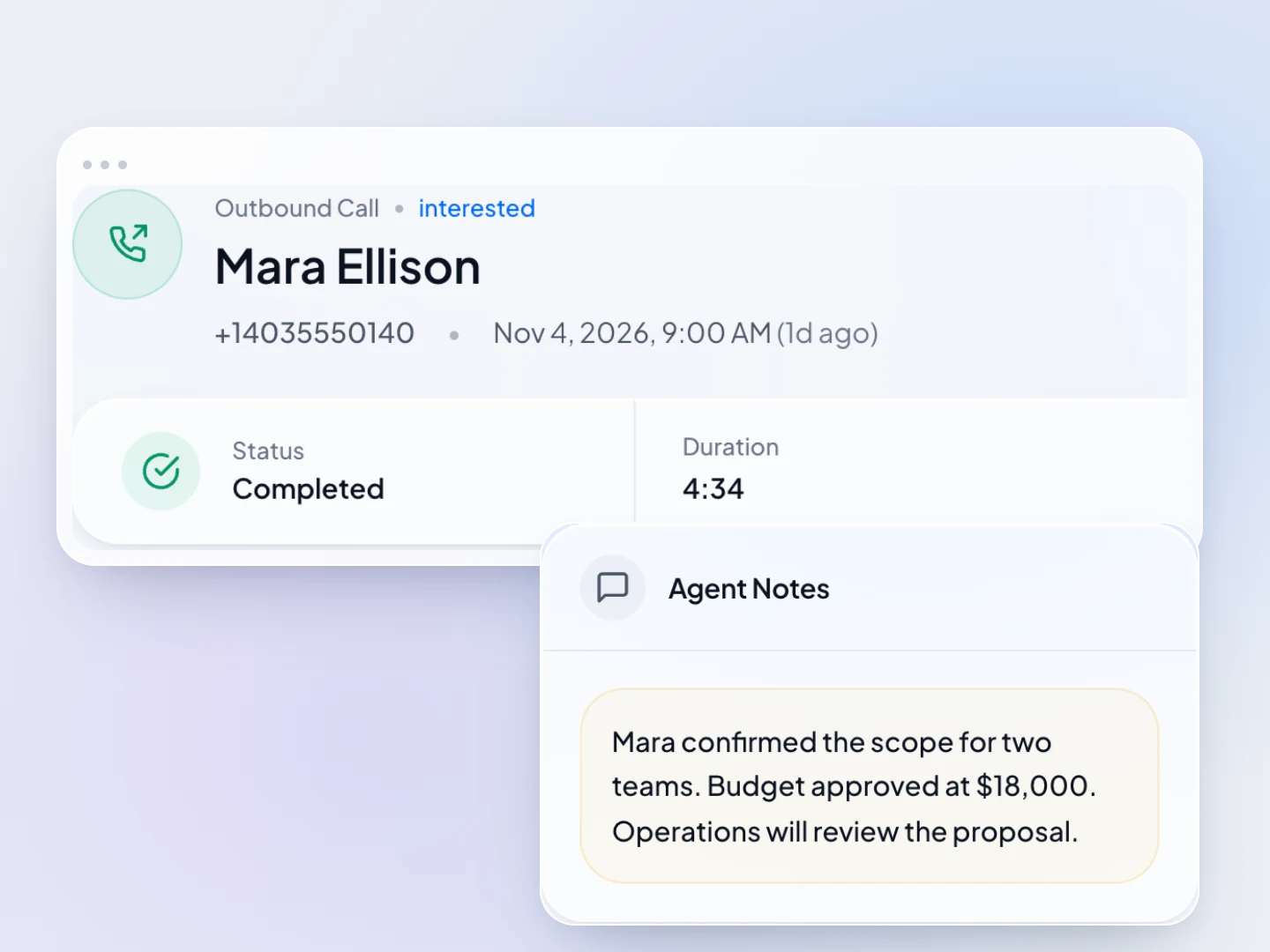
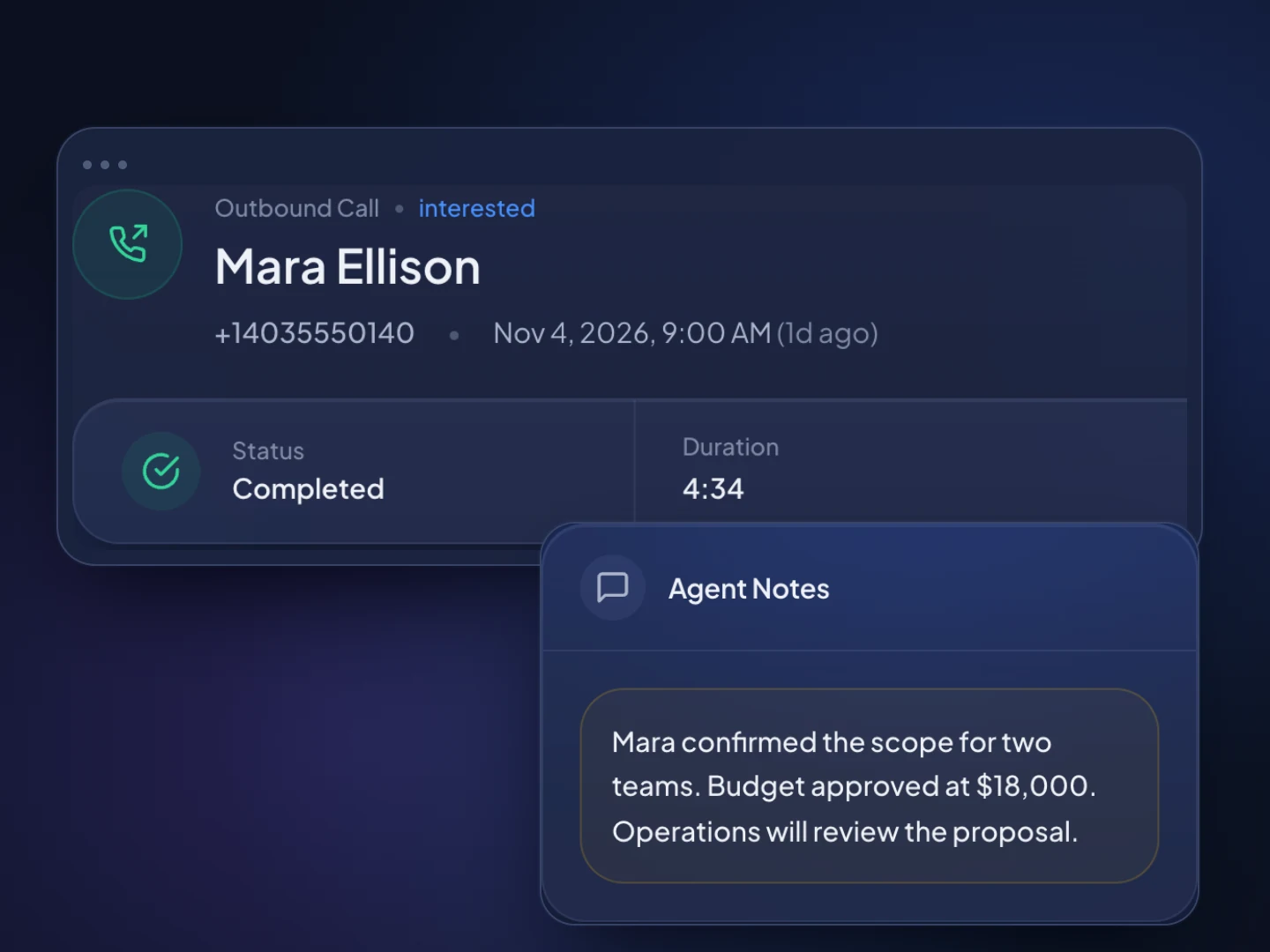
A completed TopReach call with its outcome, duration and saved rep note. Fictional sample data.A completed TopReach call with its outcome, duration and saved rep note. Fictional sample data.
Per seat / mo, or $49 billed yearly
$55
Phone licence per caller / mo, 3,000 minutes
$99
Per local phone number / mo
$10

Built for the raise

From deal launch to funded, and back again

What most sponsors split across a spreadsheet, a phone and an inbox, kept in one workspace beside your investor portal.

A pipeline that follows the money

Move each commitment from first call to soft commit, sub docs sent, signed and funded. The pipeline shows the total value at each stage, so the gap between soft commits and wired money is always in view.

Deal launch calling

Build a call list of past investors and LPs who asked to hear about the next deal, start the power dialer and work through it one call at a time. Outcomes and notes save to each investor's timeline.

Investor relations between deals

Tasks and reminders keep check-in calls on schedule, and dynamic lists fill themselves from rules, such as every LP tagged for multifamily, so the next launch list is ready before the deal is.

Follow-up when an LP doesn't answer

TopReach can drop a voicemail, then send a text or an email on the days you choose. It tracks every touch, so nobody gets the same message twice, and replies land in a shared inbox.

One clean LP list

Import the spreadsheets from past deals and your investor club. TopReach finds the phone number in whichever column it's in, and it can find and merge duplicate contacts.

Coaching for capital raisers

Managers can listen in, whisper to the caller or barge in, and review recordings where your workspace records calls. Analytics and leaderboards show conversations and outcomes per caller.

At a glance

What TopReach is
TopReach is a CRM with a built-in power dialer, parallel dialer and two-way texting. Real estate sponsors and syndicators can use it to call and follow up with LPs and to track each raise from first call to funded.
Best dialer mode for syndicators
Power mode. It calls one LP after another, so whoever answers reaches the person calling. Parallel mode calls several numbers at once and drops a call when two people answer together, which is the wrong risk to take with a warm, high-value LP list.
A syndication pipeline
A typical syndication pipeline runs: contacted, reviewing, soft commit, sub docs sent, signed, funded, plus passed. In TopReach, each commitment carries its amount, and the pipeline shows the total value at every stage.
Investor relations between deals
Between raises, sponsors keep LPs warm with check-in calls and updates. TopReach saves every call, text, email and note to the investor's timeline, with tasks and reminders for the next touch.
Pricing
$55 a seat a month, or $49 a seat a month billed yearly. Each person who calls needs a $99-a-month phone licence, which covers every dialer mode and includes 3,000 minutes a month. Phone numbers are $10 a month each. There is a 14-day free trial.
Compliance
Under Reg D Rule 506(b), sponsors generally can't use general solicitation, so deal calls usually go to people they have a pre-existing, substantive relationship with. Rule 506(c) allows general solicitation if every buyer is a verified accredited investor. Telephone and texting rules apply either way. Check with your securities counsel.
What TopReach doesn't do
TopReach doesn't handle subscriptions, e-signatures, accreditation checks, distributions or investor portals, and has no built-in integration with investor-portal software. It doesn't supply investor lists or scrub numbers against the National Do Not Call Registry.
Connecting your own tools
TopReach has a public API with keys and webhooks, so a developer can connect your own tools. There is no ready-made connection to investor-portal, e-signature or accounting software.

The raise

Every commitment on one board

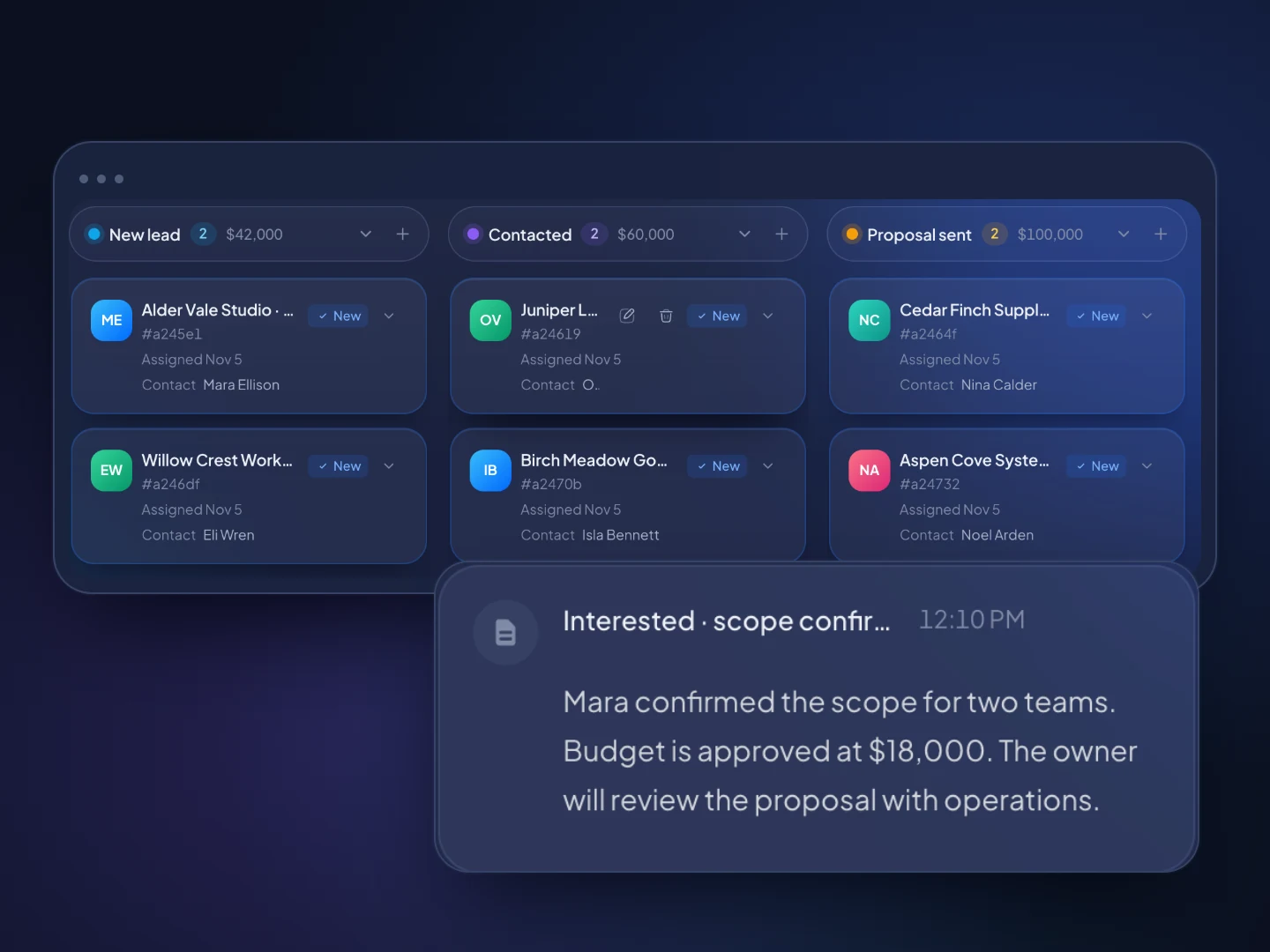
Soft commits, sub docs out, signed and funded, with the dollar value at each stage.
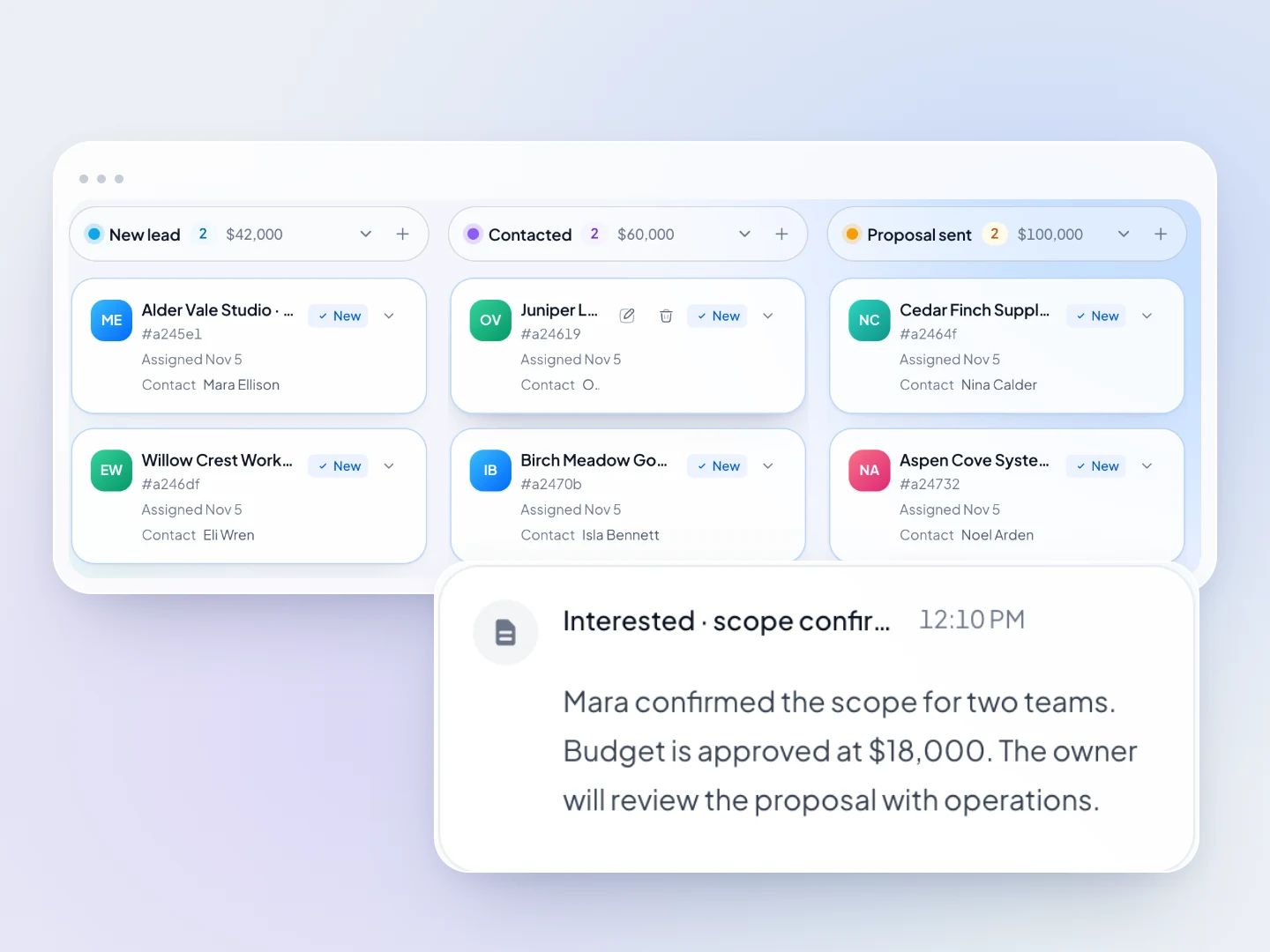
TopReach pipeline stages, deal values and a note on the associated contact. Fictional sample data.TopReach pipeline stages, deal values and a note on the associated contact. Fictional sample data.

How it works

From LP spreadsheet to a funded raise

  1. 01

    Import and clean your LP list

    Upload the spreadsheets from past deals. Custom fields hold accredited status, typical check size, asset preferences and how you met, and duplicate contacts can be found and merged.

  2. 02

    Launch the deal by phone

    Build a call list of investors you already have a relationship with, start the power dialer and log each soft commit with its amount before the next call.

  3. 03

    Follow up to funded

    Unanswered calls get a voicemail and a text or email on the days you set. Move each commitment to sub docs sent, signed and funded as your portal confirms them.

Guide

How real estate syndicators raise equity by phone

A syndication raise has a closing date, an equity number and a list of people who have invested with you before or might. Most of the work between the deal announcement and the wire is calls, texts and follow-up. This guide covers how sponsors run that work: the pipeline from first call to funded, deal launch calls, investor relations between deals, text and email follow-up, and what Reg D 506(b) and 506(c) mean for who you can call. For capital raising in general, including founders and fund managers, see the CRM for fundraising page.

What does a real estate syndicator need from a CRM?

A syndicator needs a CRM for the outreach side of the raise: the LP list, every call and message, the next follow-up, and a pipeline that shows how much of the equity is soft-committed, signed and funded.

Most sponsors already have investor portal software for the back office: the deal room, subscription documents, e-signatures, accreditation checks, distributions and tax documents. It's built to hold investors once they're in a deal, not for the calls, texts and reminders it takes to get them there, or for keeping in touch with the LP who passed on your last two deals but asked to hear about the next one.

The outreach side needs different things:

  • One clean list of every LP and prospect, merged from past deals, events and your investor club, with duplicates removed.
  • Fields you can filter by: accredited status, typical check size, asset classes and markets they like, past deals, how you met, and when your relationship began.
  • A pipeline for each raise, with an amount on every commitment.
  • A dialer built in, with outcomes and notes saved to the investor.
  • Texts and emails from the same record, with replies in one place.
  • A reminder for every callback you promised.

What pipeline stages fit a syndication raise?

Use stages that follow the money from first call to funded, where each move depends on something you can check: a conversation held, an amount named, documents sent, documents signed, funds received.

In TopReach, each commitment is a deal with its amount, and the pipeline shows the total value at each stage. Watch the gap between soft commit and funded: some soft commits shrink or drop out when documents arrive, so count only funded money as raised. Your portal sends and records the documents, and a staffer moves the stage when it does. A typical set of stages:

  • Contacted: you've called, texted or emailed about the deal.
  • Reviewing: they have the deal package or joined the webinar, and they're asking questions.
  • Soft commit: they've named an amount, on a call or through your portal's reservation form. Nothing is signed.
  • Sub docs sent: subscription documents are out for signature.
  • Signed: the subscription agreement is signed.
  • Funded: the wire has arrived.
  • Waitlist: they'd invest if a spot opens, which matters when soft commits drop out.
  • Passed: kept on file with the reason, such as timing, asset class, market or minimum.

How do you run deal launch calls to your LP list?

Call the investors you already know first, in the order most likely to fill the raise, starting the day the deal goes out to your list.

Most sponsors announce a deal by email or webinar, then open reservations. Calls turn the announcement into soft commits: they give an LP who meant to read the package a reason to decide, and surface questions while you can answer them. Build the launch list from your fields and tags before the deal goes out:

  • Past investors in similar deals, largest checks first.
  • LPs who told you they want the next deal in this market or asset class.
  • Investors who passed on a recent deal for a reason this one fixes, such as the minimum.
  • Leave off anyone whose relationship with you began after the offering did, if you're raising under 506(b). More on that below.

Should syndicators use a power dialer or a parallel dialer?

Use power mode for LP calls. It dials one investor after another, so whoever answers reaches you, and you move to the next call without dialing by hand.

Parallel mode calls several numbers at once and connects you to whoever picks up first. When two people answer together, one gets dropped. That trade is fine on a big cold list, and a syndicator's LP list is the opposite: warm, short and high-value. Both modes come with the same $99-a-month phone licence, so you can choose per list.

Log each soft commit with its amount before the next call, and tell investors honestly where the raise stands. Overstating demand to get a commitment is a securities problem, not only a sales one.

How do you keep investor relations going between deals?

Call LPs when you don't need money: after a quarterly update, when a property hits a milestone, and once or twice a year to ask what they're looking for. Those calls are what keep your next launch list warm.

Investor relations between deals is mostly listening. Ask about their goals, timing, upcoming liquidity, appetite for other asset classes and preferred minimums, and record the answers, because next year's launch list depends on them.

  • Existing LPs: a short call after each update on how their deals are doing, before they have to ask.
  • New relationships: meet prospective LPs, learn about their finances and experience, and record what you learned and when. Under 506(b), this is how a new contact becomes someone you may later tell about a deal, but where relationship-building ends and an offer begins is a question for counsel.
  • Referrals: ask LPs who else should hear from you, and ask counsel before paying anyone for introductions.
  • In TopReach, set a reminder task for each LP's next check-in, and read their timeline before you call so you know what was said last time.

How should text and email follow-up work during a raise?

Use text for short, time-bound nudges and email for documents and detail, and send both from the same record as your calls, so anyone on the team can see what an LP has already received.

  • Missed launch call: a voicemail, an email with the deal summary the same day, and a text a day or two later if they've texted with you before.
  • Soft commit, nothing signed: a call first, then a text with the document deadline.
  • Signed, not funded: a call to confirm they have the wire instructions from your portal. Never send wire instructions by text, and ask LPs to confirm any change by phone, since changed wire instructions are a common fraud.
  • In TopReach, an unanswered call can trigger a voicemail drop and then a text or email on the days you choose, with every touch tracked. The do-not-call list and texting opt-outs apply across the whole team.

How do Reg D 506(b) and 506(c) change who you can call?

Under Rule 506(b), you generally can't use general solicitation, so calls about a live deal usually go only to people you have a pre-existing, substantive relationship with. Under Rule 506(c), you can solicit generally, but every buyer must be accredited and you must take reasonable steps to verify it. This is general information, not legal advice.

  • 506(b): SEC staff guidance describes a pre-existing relationship as one formed before the offering began, and a substantive one as one where you have enough information to evaluate, and do evaluate, the person's finances and sophistication. A checked box isn't enough. Existing and prior investors are the clearest case, so launch calls to your LP list are the usual path, and cold calls pitching the live deal to strangers can put the exemption at risk.
  • 506(b) investors: any number of accredited investors and up to 35 non-accredited but sophisticated investors, who must receive specific disclosures. Many sponsors take accredited investors only.
  • 506(c): you can call people who found you through a podcast, an ad or a public webinar and talk about the live deal. Every buyer must be verified, for example through third-party letters or, per SEC staff, a high minimum investment plus confirmation that it isn't financed by a third party.
  • Telephone rules apply either way. The FCC's do-not-call rules cover calls encouraging investment, with exceptions such as an established business relationship, which has time limits. The TCPA requires consent for autodialed or prerecorded calls and texts to cell phones, and a dropped voicemail is a prerecorded message. If your calls count as telemarketing, abandoned calls are capped at 3% of answered calls per campaign over 30 days under the FTC's Telemarketing Sales Rule, which matters for parallel dialing. Some states, such as Florida and Oklahoma, have their own telemarketing laws, and some, such as California and Pennsylvania, require every party's consent to record a call.
  • Caller ID: call from numbers you own. The Truth in Caller ID Act bars misleading caller ID used to defraud or cause harm, and carriers use STIR/SHAKEN to check that a call may use the number shown.
  • Canada: private raises usually rely on NI 45-106 exemptions, such as the accredited investor exemption. CASL covers commercial texts and emails, and implied consent can come from someone accepting an investment opportunity from you in the past two years. Calls fall under the CRTC's rules and the National DNCL.
  • Capital raisers: paying anyone a fee tied to money raised can raise broker-dealer registration questions.
  • TopReach keeps a do-not-call list and handles texting opt-outs, but it doesn't scrub numbers against the National Do Not Call Registry. Check your offering, your list and your scripts with your securities counsel.

FAQ

Questions from real estate syndicators

It's the system a sponsor uses for the outreach side of a raise: the LP list, every call, text and email, scheduled follow-ups, and a pipeline that shows how much equity is soft-committed, signed and funded. TopReach does this with a built-in power dialer, parallel dialer and two-way texting.

A sales team working together at dusk

Launch your next deal from one LP list.

LP list, power dialer, texting and a pipeline to funded in one workspace. Start a 14-day free trial, or book a walkthrough.